How Birla's win in the battle for Binani reshapes India's bankruptcy focus

The order will probably set a precedent for other companies in insolvency proceedings and may jeopardize the 270-day timeline laid down to resolve such cases
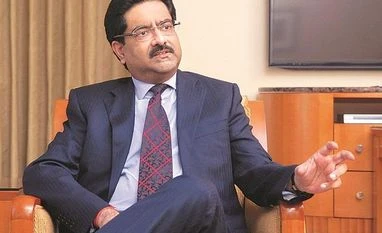
Kumar Mangalam Birla
Upmanyu Trivedi | Bloomberg
Last Updated : Nov 20 2018 | 10:57 AM IST
Billionaire Kumar Mangalam Birla’s victory in a courtroom battle for an indebted cement company will test India’s efforts to create a time-bound process to resolve one of the world’s biggest piles of stressed assets.
 
The Supreme Court on Monday upheld a lower tribunal’s verdict approving Birla’s $1.1 billion offer for indebted Binani Cement Ltd. Birla’s UltraTech Cement Ltd. had lost out initially to a bid from a Bain Capital Credit-backed consortium, only to return with an upgraded proposal that was challenged as being late and made once the details of the rival offer were known.
 
The top court’s brief order Monday found “no infirmity” with last week’s ruling in favor of Birla, making maximum recovery a priority of India’s two-year-old bankruptcy law and reducing the focus on predictability and timeliness. The order will probably set a precedent for other companies in insolvency proceedings and may jeopardize the 270-day timeline laid down to resolve such cases. The law has helped India jump more than 50 positions in the World Bank’s ease of doing business ranking.

ALSO READ: SC rejects Dalmia's plea, allows UltraTech to take over Binani Cement


“It is patently clear that if value maximization becomes the focal point of consideration for the insolvency resolution process, then the time-bound process -- as envisaged under the Insolvency and Bankruptcy Code -- would never be adhered to,” Rajat Prakash, the founding partner of Delhi-based Athena Legal, which deals with insolvencies, said before the decision was handed down.
 
Maximum Value
 
In its previous rulings, India’s Supreme Court has tightened timelines and emphasized that speed is crucial to the success of the 2016 law, which replaced a web of archaic rules, some 100 years old.
 
In the Binani Cement case, a consortium that included Dalmia Bharat Ltd. and a Bain Capital-backed fund was first selected by lenders to acquire the distressed firm. A legal challenge was lodged by a Dalmia group company when UltraTech’s revised offer was approved.

The appellate tribunal for bankruptcy cases rejected Dalmia’s case on Nov. 14 and approved UltraTech’s plan. “The purpose of resolution is for maximization of value of assets of the corporate debtor and thereby for all creditors,” it said.
 
Ultratech’s bid amounted to 84 billion rupees ($1.2 billion), including interest, and was 12 billion rupees higher than the rival bid, former Attorney General for India Mukul Rohatgi, a lawyer for UltraTech, told the top court on Monday. The company agreed to clear all the dues of secured, unsecured and operational creditors, along with 10 percent interest, he said.
The complete recovery of loan dues “is the object of the insolvency code,” said Solicitor General Tushar Mehta, a lawyer for the lenders panel.
 
Ongoing Cases
 
The top court’s decision may impact ongoing proceedings involving Essar Steel India Ltd. and Bhushan Power & Steel Ltd. -- two of the biggest steel assets on the block.
 
Steel tycoon Lakshmi Mittal’s ArcelorMittal won the consent of Essar Steel’s lenders to take over the mill, though a last-minute offer by the founding family to pay off all debts may pose a hurdle to final approval when the case comes up on Nov. 28.
 
Separately, a Delhi bench will decide on the merit of JSW Steel Ltd.’s winning bid for Bhushan Power on Dec. 3. Rival bidder Tata Steel Ltd. claims JSW was wrongly allowed to revise bids higher and the insolvency process has been compromised.
Allowing late bids can hurt efficiency as “bids can keep getting revised and there can be no finality to the process,” India’s former Solicitor General Gopal Subramanium, who represented the Dalmia group company contesting Birla’s bid, said before the ruling.

To contact the reporter on this story: Upmanyu Trivedi in New Delhi at utrivedi2@bloomberg.net

©2018 Bloomberg L.P.

One subscription. Two world-class reads.

Already subscribed? Log in

Subscribe to read the full story →
*Subscribe to Business Standard digital and get complimentary access to The New York Times

Smart Quarterly

₹900

3 Months

₹300/Month

SAVE 25%

Smart Essential

₹2,700

1 Year

₹225/Month

SAVE 46%
*Complimentary New York Times access for the 2nd year will be given after 12 months

Super Saver

₹3,900

2 Years

₹162/Month

Subscribe

Renews automatically, cancel anytime

Here’s what’s included in our digital subscription plans

Exclusive premium stories online

  • Over 30 premium stories daily, handpicked by our editors

Complimentary Access to The New York Times

  • News, Games, Cooking, Audio, Wirecutter & The Athletic

Business Standard Epaper

  • Digital replica of our daily newspaper — with options to read, save, and share

Curated Newsletters

  • Insights on markets, finance, politics, tech, and more delivered to your inbox

Market Analysis & Investment Insights

  • In-depth market analysis & insights with access to The Smart Investor

Archives

  • Repository of articles and publications dating back to 1997

Ad-free Reading

  • Uninterrupted reading experience with no advertisements

Seamless Access Across All Devices

  • Access Business Standard across devices — mobile, tablet, or PC, via web or app

Next Story



