At least 100 co-working firms are operating in the country, with global giants like WeWork poised to enter. And, 40 such co-working firms have come up in Mumbai alone as companies explore ways to reduce rents and overheads, according to property consultancy JLL.
Co-working involves a shared working environment, often an office, and independent activity. Unlike in a typical office, co-workers are usually not employed by the same organisation. There were 2,500 seats with such facilities available in different micromarkets in the Mumbai Metropolitan Region, said Ramesh Nair, chief operating officer, JLL. Another 50 facilities are expected in Mumbai next year.
| SHARED RESOURCES BETWEEN COMPANIES |
- What it means: Co-working is a style of work that involves a shared working environment, often an office, and independent activity
- India: Over 100
- Mumbai: About 40 in Mumbai; 50 more expected; total 2,500 seats
- Major players in the MMR: Awfis, 91 Spring Board, Red Brick,Rise, WorkLoft, Social, OF10The Playce, Ministry of New, Bombay Connect
|
While the average occupancy across the city is 60 per cent, this is expected to decline once the recent seat additions in most micro-markets are leased out. Some of the major players are Awfis, 91 Spring Board, Red Brick,Rise, WorkLoft, Social, OF10The Playce, Ministry of New, Bombay Connect. Seat costs varied from Rs 3,000 in the eastern suburbs to Rs 24,000 in Central Mumbai, the JLL note said.
“Co-working spaces are mushrooming across India's Tier I and Tier II cities, providing startups with flexible working options at affordable prices. These spaces offer desks at cheaper rentals and some also allow a rent-free period to tenants, apart from utilities and an office-like look and feel to potential startups. Some co-working places also serve as incubation centres for the buildings or campuses they are based in,” Nair said.
The trend of start-ups buying or leasing real estate to sub-lease it to such tenants is also on the rise. According to some estimates, the number of such players across the country exceeds 100. Global co-working giants such as WeWork and Spaces are expected to enter India soon. Numerous other national and international players are also showing interest in setting up co-working office facilities in the country’s financial capital, according to JLL.
“It is not just freelancers, consultants and startups that are exploring co-working spaces. A number of large corporates interested in providing flexible working options to their millennial employees are also looking at taking up desks. Business nomads, expats and others travelling to India for work for a few months also prefer such options instead of working out of coffee shops. In fact, some companies now base their client project teams out of co-working places to let them remain close to clients,” Nair said.

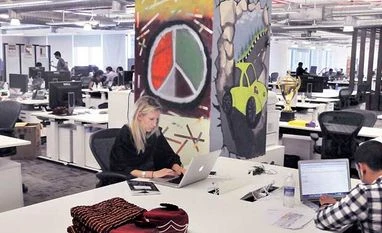 "Idea of co-working firms catches up")


 Connect with us on WhatsApp