IDFC First to hinge on branch expansion, 'retailization' and integration

Newly formed bank has to compete in a tough market, push past legacy issues
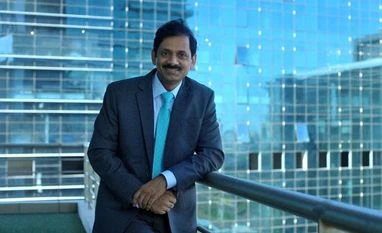
Look at larger picture to create value: Vaidyanathan, CEO of Capital First
Vaidyanathan, Capital First
Pavan Lall
Last Updated : Dec 20 2018 | 12:18 AM IST
With regulatory clearances now in place, IDFC First, the new bank that was formed through the merger of Capital First and IDFC will focus on building liabilities on the retail side, expanding its bricks and mortar network and of course do what all brand new banks aim to do, which is chase new customers, streamline operations and build a new identity. 

After the completion of their merger on the 18th of December, IDFC First Bank has  a combined loan asset book of Rs 1.02 trillion, according to the reported financial results for the quarter ended September 30. On a combined basis, IDFC First Bank  Retail loans (to non-corporate borrowers) are 32.46 per cent of the overall loan book.

The PPOP (Pre provisions operating Profit) for IDFC Bank in H1 19 are low at Rs 910 million (Source Investor presentation) but V Vaidyanathan, managing director and CEO for IDFC First doesn’t seem too perturbed, and says it will get fixed automatically with growth of retail book which offers higher margins. Currently, the average cost of funds is 7.5 per cent, and loan yields are at around 9.2 per cent with a spread of 1.7 per cent. "As the years roll by, the idea is to take the spread to 4 per cent," Vaidyanathan explains.

The newly formed bank also plans to target the bottom of the pyramid to include customers such as the store manager of a neighborhood chemist who may not have access to mainstream banking but a strategic difference from the way retail was run in the past will mean IDFC First will also go after regular metro city accounts with offerings that will include credit cards. "We plan to grow our number of bricks and mortar branches from a little over 200 to about 500 locations, pan India," says Vaidyanathan. 

The bank will offer a more composite set of offerings that combine assets and liabilities. As example of that he points to a service where if a customer has  deposits with a bank then they may not be charged interest if they take a loan. 

The reconstituted board has added five new directors. Warburg Pincus co-head Vishal Mahadevia, is a non-executive and non-independent director. The other independent directors include Brinda Jagirdar who was chief economist at State Bank of India, Hemang Raja formerly with IL&FS and Credit Suisse , former UBS India chief Aashish Kamat and CARE Ratings head Desh Raj Dogra.

Since Vaidyanathan left ICICI Bank in 2010, and started Capital First,  he had said that his ultimate objective was to convert to a bank.  IDFC Bank on its part have said they wanted to 'retailise' the bank, and the merger in that sense reflects both institutions’ ambitions. Vaidyanathan says that from operating as an NBFC to now going full-blown on a banking platform will make growth easier even as he acknowledges the challenges at hand. "We have overcome many just to get here but the key ones going ahead will be to raise, manage and build a retail liability base,smoothly integrate two corporations, and grow in an environment where competition is brisk and plentiful," Vaidyanathan says.

One subscription. Two world-class reads.

Already subscribed? Log in

Subscribe to read the full story →
*Subscribe to Business Standard digital and get complimentary access to The New York Times

Smart Quarterly

₹900

3 Months

₹300/Month

SAVE 25%

Smart Essential

₹2,700

1 Year

₹225/Month

SAVE 46%
*Complimentary New York Times access for the 2nd year will be given after 12 months

Super Saver

₹3,900

2 Years

₹162/Month

Subscribe

Renews automatically, cancel anytime

Here’s what’s included in our digital subscription plans

Exclusive premium stories online

  • Over 30 premium stories daily, handpicked by our editors

Complimentary Access to The New York Times

  • News, Games, Cooking, Audio, Wirecutter & The Athletic

Business Standard Epaper

  • Digital replica of our daily newspaper — with options to read, save, and share

Curated Newsletters

  • Insights on markets, finance, politics, tech, and more delivered to your inbox

Market Analysis & Investment Insights

  • In-depth market analysis & insights with access to The Smart Investor

Archives

  • Repository of articles and publications dating back to 1997

Ad-free Reading

  • Uninterrupted reading experience with no advertisements

Seamless Access Across All Devices

  • Access Business Standard across devices — mobile, tablet, or PC, via web or app

Next Story



