As Raksha Bandhan kicks off the festive season for brands and advertisers, viewers are bombarded with campaigns trying to be topical and relatable. This year, most advertisements have tuned into the larger nationalistic-patriotism narrative that seems to have the nation in its thrall, with a few going down the social messaging track. While brands such as Nickelodeon, Lava, Reliance Jewels among others have used the backdrop of the armed forces and nationalism, some like Amazon and Vodafone have taken a self-deprecatory look at their core promise to deliver a social message. And the interesting thing, say experts, is that the strategies reveal as much about the brands as it does about the customers being wooed.
Ambi Parameswaran, founder of Brand-building.com, says that festival advertising is critical in India, which is a cost conscious society. They are looking for an emotional connection and thus if a brand is reaching out to the nationalistic spirit of the customer, it is an indication of the market and category being targeted. Similarly if it is a social message, then it is likely that customer insights have shown that this is an area of popular concern within the targeted community.
“Festivals tend to legitimise spends, especially in a cost conscious society like India. In order to sugar coat the communication, brands take up sensitive issues, or use emotional triggers. So you’ll have stories around communal harmony or stories around the army or armed forces,” says Parmeswaran.
Brands have taken two distinct communication routes in 2017. There are ads with messages for soldiers or those that have storylines wrapped around the armed forces. Viacom18’s kids channel brand Nickelodeon had the Surakshabandhan campaign where Dora, a popular animated character is seen tying rakhis to soldiers. Handset maker Lava shows a sister looking after her brother who has lost his arms in battle. Another ad from Reliance Jewels too walks a similar path when it shows a sister recalling a brother lost in battle as a friend steps in to take his place.
The reason that many brands have chosen to weave campaigns featuring armed forces personnel and/or their families, says ad-man Prahalad Kakkar, is the topicality of the issue. “Over the past two years, the current government and Prime Minister Modi have brought the focus back on the armed forces and it has become trendy to talk about them.
It makes sense for brands then to talk about something that is in the consumers’ conversation one way or another already,” he says. The flip side is that sometimes the brands may be forcing a conversation where none is possible.
Amazon India, Nickelodeon, Vodafone and Lava phones
KV ‘Pops’ Sridhar, founder of brand consultancy Hypercollective, says that such a communication strategy could backfire, if it is done without tact. “If a brand is doing something for the armed forces, something that genuinely makes a positive impact, and then references the armed forces in its commercial communication, consumers will sit up and take notice. However, if the brand is inconsistent and just talks about it because its topical and trendy, consumers catch on to it and then the brand would come across as opportunistic,” he adds.
Connection between the brand and the message is critical, without that there is no way a brand can connect with its customers is what experts seem to be saying. And when they try to force-fit the product promise around a topic that seems to have caught the national imagination, it shows the brand to be shallow. And that could lead many consumers to question the relevance of the brand.
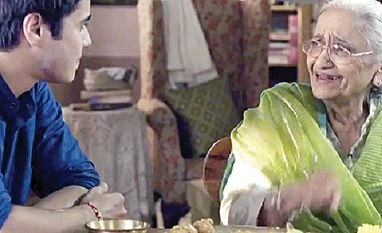
Not all the ads however are about patriots and soldiers, the most popular ones (in terms of their online viewership) in fact appear to be taking a different angle altogether. Amazon’s Raksha Bandhan TVC shows a
grandmother and grandson bantering over the convenience of buying a gift on Amazon when she tells him that all that matters for a gift is the love and thought behind it. The ads sticks to the #deliverthelove tagline from the last year but add that while the e-commerce giant can deliver whatever the consumer wants, there are some things that are more valuable than material gifts. In this it speaks the same language as the Mastercard ad did (For everything else there is Mastercard) many years ago.
Vodafone’s ad tells customers that on Friendship Day, they can do better than stare into their mobile phones. True friends are those we meet regularly, not just summon up on our handsets, the ad says. Kakkar believes that these brands are saying that while traditions and sentiments have their place, they can provide a means to make the festivals better and he and other experts believe that such ads help break the clutter.
Sridhar says, “We are always happy when we hear someone has done a selfless deed. By making these ads, brands come across as selfless and that goes a long way in brand building.” Ambi agrees and adds, “If you observe, they’re saying the same thing, buy stuff on festivals. But these brands have packaged it innovatively. They stand out from their peers by using this non-conventional form of communication.” As the festive season gathers pace, the hunt for unconventional narratives is likely to gather pace as is there likely to be a rush to swear allegiance towards the nation. Let the brand games begin.

 "Nationalism extends writ over Friendship Day, Raksha Bandhan ads this year")












