Nestle India to start exporting Maggi noodles 'as soon as possible'
UK, Canada and Singapore have given a clean chit to the instant noodles brand
Arnab Dutta New Delhi Nestlé India is preparing to resume exporting Maggi noodles. It is aligning export logistics after the Bombay High Court on June 30 allowed it to sell the instant noodles abroad. The company says running its production lines only to produce noodles for exports “is viable”.
Nestlé declined to reveal whether they are currently preparing to export Maggi noodles produced before the ban or it will start its production lines to procure fresh batches.
Read more from our special coverage on "NESTLE MAGGI CONTROVERSY"
The UK’s Food Safety Agency cleared all Maggi noodles variants as fit for consumption on July 1. Canada followed two days later, becoming the seventh country to do so. “Logistical arrangements to resume exports have begun after Tuesday’s decision by the court, which clarified that the export of Maggi noodles could continue,” a Nestlé India spokesperson said. It declined to furnish a date for resumption of exports, but sources said it was working to avoid delay in shipments.
Nestlé exports Maggi noodles to the US, UK, Australia, New Zealand and Singapore. According to an industry expert, of the Rs 644 crore exports by Nestlé India in 2014, the share of Maggi noodles was very small. A countrywide recall of the noodles in India led to a break in Maggi exports.
“It is not possible to put a figure on the exact date when we will be able to start sending out shipments,” a Nestlé executive said on condition of anonymity. Maggi noodles exported from India are of the same size as local packs but differ in labelling. “Countries have different labelling norms, so it is the packets that differ,” the executive said.
Labels stating ‘No added MSG’, which the Indian food safety regulator found inappropriate, appears on the packs for exports depending on the rules in the destination country.
“Packaging materials are designed to meet the regulatory requirements of each importing country,” the company spokesperson said.
“Noodles for export are produced on the same manufacturing lines as those for the Indian market. We use the same recipes and raw materials,” he added. To meet Canadian regulatory requirements, Nestlé uses a different salt to procure the noodles.

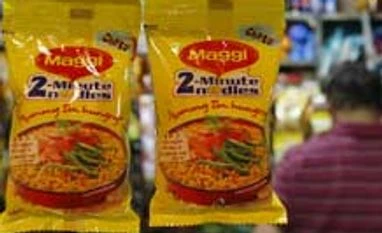 "Nestle India to start exporting Maggi noodles 'as soon as possible'")

