Not in its DNA? Why Apple doesn't cut pricing just to gain market share

Apple's ability to get more cash for each phone sold is critical to growing its profits.
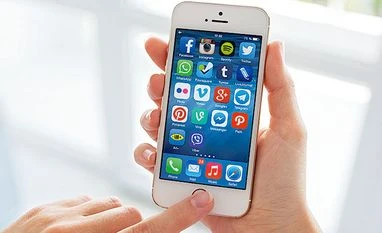
Apple iphones
Reuters
Last Updated : May 03 2017 | 9:29 AM IST
Apple Inc sold fewer iPhones than expected in the first three months of the year, but that bare statistic hides an important bright spot for the company. The average selling price of an iPhone grew more than it has since the days of the iPhone 6.

Apple does not break out figures for how many of each model it sells, but executives pointed to the premium-priced iPhone 7 Plus, which sells for up to $969 fully loaded, as the key to boosting the amount it gets on average for each phone.

The average selling price of iPhones is important to Apple because the smartphone market is maturing and its growth slowing. Apple's ability to get more cash for each phone sold is critical to growing its profits.

One of the things that we did not get right was the mix between the iPhone 7 and the iPhone 7 Plus," Apple Chief Executive Tim Cook told analysts on the company's earnings conference call on Tuesday, in response to a question about how supply of its top-end phone was constrained during the holiday shopping season.

"The demand was much stronger for the 7 Plus than we had predicted, and so it took us a little while to adjust all the way back through the supply chain and to bring iPhone 7 Plus into balance, which occurred this past quarter."

The popularity of the iPhone 7 Plus model represents a triumph for Apple with a new departure: packing a unique feature into its most expensive iPhone.

The iPhone 6 Plus differed from its smaller sibling only in screen size, but the 7 Plus model has a physically different camera that enables what Apple calls "portrait mode" for taking shots with a blurred background - a feature more commonly found on large, expensive digital cameras.

It is a strategy Apple could use again. Many analysts believe the company will reserve certain features for the premium-priced model of its next, eagerly awaited iPhone - such as a higher-quality display - that could sell for more than $1,000.

So far, customers seem to be willing to pay more for the extra camera in the iPhone 7 Plus, which is one reason that Apple made slightly more revenue selling slightly fewer iPhones in the latest quarter than a year ago, for an average price of $656.

That price was 2 percent higher than 12 months ago, the best improvement in a year. During 2016, selling prices even went into a decline, year on year, during the iPhone 6s cycle after soaring on the release of the original iPhone 6 and 6 Plus, which introduced larger screens to the Apple lineup for the first time.

"The important thing is the average selling price should not fall," said Anil Doradla, a research analyst with William Blair & Co. "I have full confidence that it won't. Apple just doesn't cut pricing to gain market share. It's not in their DNA."

One subscription. Two world-class reads.

Already subscribed? Log in

Subscribe to read the full story →
*Subscribe to Business Standard digital and get complimentary access to The New York Times

Smart Quarterly

₹900

3 Months

₹300/Month

SAVE 25%

Smart Essential

₹2,700

1 Year

₹225/Month

SAVE 46%
*Complimentary New York Times access for the 2nd year will be given after 12 months

Super Saver

₹3,900

2 Years

₹162/Month

Subscribe

Renews automatically, cancel anytime

Here’s what’s included in our digital subscription plans

Exclusive premium stories online

  • Over 30 premium stories daily, handpicked by our editors

Complimentary Access to The New York Times

  • News, Games, Cooking, Audio, Wirecutter & The Athletic

Business Standard Epaper

  • Digital replica of our daily newspaper — with options to read, save, and share

Curated Newsletters

  • Insights on markets, finance, politics, tech, and more delivered to your inbox

Market Analysis & Investment Insights

  • In-depth market analysis & insights with access to The Smart Investor

Archives

  • Repository of articles and publications dating back to 1997

Ad-free Reading

  • Uninterrupted reading experience with no advertisements

Seamless Access Across All Devices

  • Access Business Standard across devices — mobile, tablet, or PC, via web or app

Next Story



