
Ola granted licence to operate only 100 cars in Bengaluru
Bengaluru is Ola's second-largest market after Delhi-NCR, where it is estimated to operate over 20,000 cars on its platform
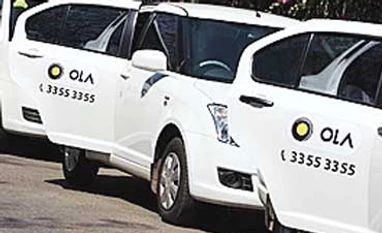 "Ola granted licence to operate only 100 cars in Bengaluru")
Explore Business Standard
Bengaluru is Ola's second-largest market after Delhi-NCR, where it is estimated to operate over 20,000 cars on its platform
According to transport officials, Ola's application came through on Monday. The company outfitted 100 cars with digital meters, panic buttons and GPS units as per the requirements of the On-Demand Transportation Technology Rules that came into effect in April.
"They (Ola) have been granted licence only for 100 vehicles. The Regional Transport Office in Koramangala verified that all parameters have been followed by them," said transport commissioner Ramegowda.
The fate of the rest of Ola's fleet to operate legally in the state now depends on the decision taken by the Karnataka High Court in a hearing that is scheduled for June 23. State transport officials maintain that the rest of Ola's fleet will have to become compliant before being allowed to operate legally on roads.
Ola did not respond to an email query sent seeking information on the development.
In a hearing on June 2, judge Aravind Kumar had put a stay on the Karnataka transport department's drive to impound cars operating on Ola and rival Uber's platforms.
The stay ends on June 23, casting a shadow of uncertainty on whether taxi aggregators will be able to operate legally on Karnataka roads.
Ola is the first taxi aggregator to be granted a licence, while Uber has slammed the local transport authorities for favouritism. The US-based firm claims that its application was turned down multiple times despite the company equipping 100 cars with digital meters and other equipment, and submitting all required documents.
Uber has taken the Karnataka state and the transport department to court over the rules, calling them unconstitutional. The state has mandated that cabs operating on such platforms be outfitted with digital meters, GPS units, thermal receipt printers, panic buttons, etc, and has also fixed a cap on fares that such players can charge.
Both Uber and Ola are estimated to operate close to 50,000 cars in Bengaluru alone. The High Court ruling, if in favour of the state, will put a big dent in the businesses of both the players. Moreover, if that happens, more states could follow on the footsteps of Karnataka, which has been the first mover in introducing rules to regulate the taxi aggregator industry in India.
First Published: Jun 22 2016 | 11:46 AM IST


