Right-sized funds will always do well in slow markets: Khushru Jijina
Interview with MD, Indiareit
Raghavendra Kamath Indiareit Fund Advisors, Ajay Piramal group's realty fund manager, recently raised a Rs 1,000-crore domestic fund. It is also looking to close the first tranche of $75 million of its offshore fund by March-April this year. Indiareit's managing director
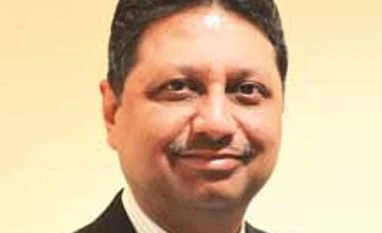
Khushru Jijina outlines the firm's strategy to Raghavendra Kamath. Edited excerpts:
You recently raised a Rs 1,000-crore domestic fund. How difficult or easy was it to raise the fund? This is the largest fund ever raised by Indiareit. I was pleasantly surprised to see this kind of response. Raising a Rs 1,000-crore fund in this kind of a market is really overwhelming. We raised the fund in just six months' time. In fact, we raised nearly Rs 1,100 crore and had to return Rs 100 crore to investors.
When I joined 16 months ago, I said we would concentrate on exits and start raising new funds after we completed Rs 1,000 crore worth of exits. We went according to the plan.
Why was it easier? First and foremost, we benefit from a truly aligned and committed sponsor in Piramal Enterprises. Market and investors have appreciated the long-term vision of Indiareit. We have exited over Rs 1,000 crore of investment. Even with the first drawdown in the new fund, we invested Rs 100 crore in Ashiana Housing. Investors like to see deals and when they see their money going directly into deals, they get comfort. We have already committed 25 per cent in the new fund and hope to commit 40 per cent by March this year. By March 2015, we will be able to exhaust the corpus completely.
You are looking to close the first tranche of $75 million for your offshore fund by March-April. How has the response to the fund been? We have just started the work with our first road show in Asia in November 2013. Three LPs (limited partners) are already doing due diligence. We are hopeful of a $75 million close by April this year. We have reduced the corpus of this fund from $350 million to $250 million. The reason is that we have already raised Rs 1,000 crore and do not require a corpus of $350 million. Both domestic and offshore funds will co-exist. Right-sized funds will always do well in slow markets.
How is the offshore fund different from your previous international funds? So far, Indiareit has been tapping retail investors. For the latest offshore fund, we are going to institutions, because that is where the world is moving. Institutions understand the long-term investments better and each LP invests $20-25 million. We are engaging with LPs who are happy to invest in India.
You mostly do structured equity deals. Why? First, in case of structured equity deals, the exits will be faster. We can exit in four years now rather than six or seven years it used to take earlier. In structured deals, the probability of higher returns is certain as we get the first right over the capital and returns.
Many fund managers prefer rental yield funds. But you have stayed away from such funds... You cannot get an internal rate of return (IRR) of 24 per cent in such funds. That is the main reason we are not doing it.
How much of the slum redevelopment fund has been invested? We have invested 40 per cent of the Rs 500 crore fund.

 "Right-sized funds will always do well in slow markets: Khushru Jijina")

