Explained: How a problem turned into crisis for Srei Infrastructure Finance

But those in the know say that trouble at Srei had been brewing for a while now
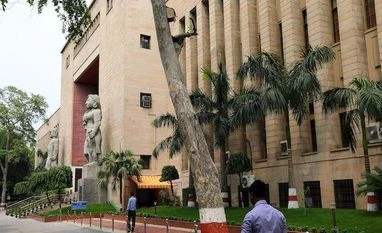
RBI
The government will sell Rs 2.16 trillion of bonds in February through March, Rs 800 billion more than its earlier target.
Ishita Ayan DuttAbhijit Lele Kolkata/Mumbai
4 min read Last Updated : Oct 05 2021 | 10:06 AM IST
Srei Infrastructure Finance chairman Hemant Kanoria had said in his communique to shareholders that even though the pandemic was a once-in-a-century crisis, he was confident of protecting business and reorganising operations in a manner beneficial to all stakeholders.

The message titled ‘Riding out the Storm’ was part of the company’s annual report for FY20-21. But on Monday, the hope appeared to be fading as the Reserve Bank of India su­perseded the boards of Srei In­fra­structure Finance and Srei Equipment Finance. The apex bank said they will be taken for insolvency proceedings.

Srei said it was “shocked” by the RBI move as banks have been regularly appropriating funds from the escrow account that they controlled since November 2020. It also said that it will take all “necessary” steps as advised by lawyers. But those in the know say that trouble at Srei had been brewing for a while now.
 
The head of corporate banking at a private bank said the company had been facing problems in business even prior to the Covid-19 pandemic. “The implosion of IL&FS in 2018 led to a liquidity crisis in the financial sector for non-banking financial companies (NBFCs), including Srei. This hit business growth. In addition, problems in the infrastructure sector – road and power – led to stress on the books for Srei on delays in payments by clients,” he said.

Srei had been moving away from infrastructure financing in the last 4-5 years. Disbursements by the equipment finance wing were also lower. This was in line with the management’s strategy to slow down disbursements in its books and focus on the co-lending model, the banking executive said.

An initial public offering (IPO) for Srei Equipment was also shelved post-IL&FS crisis.

Instead, in July 2019, the boards of Srei Infra and Srei Equipment decided, for the purposes of consolidation of lending business, to transfer the lending business, interest earning business & lease business of Srei Infra together with associated employees, assets and liabilities, as a going concern, by way of slump exchange to Srei Equipment.

“It had peeved lenders as all were not taken into confidence,” said a source in the know of the matter.
Srei Infrastructure Finance chairman Hemant Kanoria
Then, the business got impacted in March and April of 2020 due to Covid-19 and what was a problem quickly turned into a crisis. This is because infrastructure projects came to a halt and projects of borrowers were stuck.

To provide respite from debt-servicing during the pandemic, the RBI directed all lending institutions to offer a nine-month moratorium and recast debts of micro, small and medium enterprises (MSMEs) and infrastructure players. However, sources said that led to cash flow shortages for Srei as no respite was provided to NBFCs. Thereafter, a series of events followed. Srei moved the National Company Law Tribunal with a scheme that proposed to pay full dues to all creditors in a structured manner. Some creditors accepted it, while others, including bankers, did not.

Sources said that after the scheme was filed, banks took control of the company’s cash flows. Salaries were capped and between December 2020 and earlier this year more than 200 employees had left.

Then the RBI conducted an audit and flagged more than Rs 8,000 crore of probable related-party lending by the Srei group.

In April this year, Srei appointed KPMG Assurance and Consulting Services LLP and DMKH & Co, chartered accountants, to conduct a forensic audit as part of its proposed debt realignment. For this, it had been in discussions with lenders. Srei’s consolidated borrowings at the end of September 30, 2020, was at Rs 30,000 crore.

Srei was also in talks with private equity players for raising equity capital. Srei Equipment Finance had received expressions of interest from 11 global investors, and subsequently, received non-binding term sheets from Arena Investors LP and Makara Capital Partners. 

But the RBI move on Monday put a question mark on all such proposals.

One subscription. Two world-class reads.

Already subscribed? Log in

Subscribe to read the full story →
*Subscribe to Business Standard digital and get complimentary access to The New York Times

Smart Quarterly

₹900

3 Months

₹300/Month

SAVE 25%

Smart Essential

₹2,700

1 Year

₹225/Month

SAVE 46%
*Complimentary New York Times access for the 2nd year will be given after 12 months

Super Saver

₹3,900

2 Years

₹162/Month

Subscribe

Renews automatically, cancel anytime

Here’s what’s included in our digital subscription plans

Exclusive premium stories online

  • Over 30 premium stories daily, handpicked by our editors

Complimentary Access to The New York Times

  • News, Games, Cooking, Audio, Wirecutter & The Athletic

Business Standard Epaper

  • Digital replica of our daily newspaper — with options to read, save, and share

Curated Newsletters

  • Insights on markets, finance, politics, tech, and more delivered to your inbox

Market Analysis & Investment Insights

  • In-depth market analysis & insights with access to The Smart Investor

Archives

  • Repository of articles and publications dating back to 1997

Ad-free Reading

  • Uninterrupted reading experience with no advertisements

Seamless Access Across All Devices

  • Access Business Standard across devices — mobile, tablet, or PC, via web or app

Topics :Srei Infrastructure FinanceRBIHemant Kanoria

Next Story


