Yet, New Delhi is backing the lesser-known newbie. Aggarwal won incentives for the maximum 20 GWh that any one company was eligible to receive. Reliance also applied for the full quota, but was put on the waitlist for 15 GWh.
Unlike Reliance, which recently bought a U.K. company with patents in sodium-ion cells — cheaper than lithium-ion, and therefore, potentially more attractive to buyers in emerging markets — Ola is yet to drop a hint about its technology. It wants to research and develop its own batteries, and fill the gaps with investments like the one it made recently in Israel’s StoreDot, whose silicon-dominant anodes claim to provide rapid charging. To show his commitment to R&D, Aggarwal has roped in Prabhakar Patil, a former chief executive of LG Chem Power Inc., the U.S.-based research arm of the world’s No. 2 EV battery maker, to the Ola Electric board.

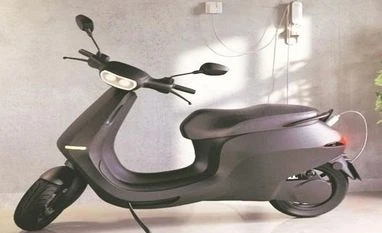 "Startup chutzpah: Newbie scooter maker Ola leads India's EV race")









