Steel companies set to raise prices on costlier inputs
Analysts say companies increasing prices to test market appetite
Aditi Divekar Mumbai With domestic steel companies’ cost of production rising, product prices may be raised next month, industry sources said.
Among the top steel producers, JSW Steel has already decided to increase prices across all grades by up to two per cent, while the Steel Authority of India and Jindal Steel & Power will be taking a decision on December 30. Tata Steel has, however, refrained from commenting.
Increase in domestic iron ore prices by Rs 200-300 a tonne, rise in coke prices and freight rates have taken up the cost of production for steel producers, said Jayant Acharya, director (commercial and marketing) at JSW Steel. “Due to this, we have taken a decision of increasing product prices from January,” he said.
Essar Steel is also likely to increase prices by three per cent. “There is no other choice for us,” said a source close to the development. “The cost of production is rising so much, we have to pass it on,” he added.
Given the dull demand scenario for steel in the domestic market, some companies are hesitant to increase product prices from next month.
“Although we are yet to decide the quantum of price increase, to begin with, prices would be raised by a minimal amount,” said an official with Rashtriya Ispat Nigam. “We don’t know if the market can absorb the price hike so we are going to increase by maybe Rs 500 and not much,” he said.
Analysts are of the view that steel producers are increasing prices only to test market appetite, which generally increases in the final quarter of a financial year because of inventory build-up activity.
“Steel companies will raise prices in January and keep it elevated through the month, but what needs to be watched is if these companies continue to keep prices up in February and March,” said an analyst with a local brokerage. “It is too early to say if companies will roll back price hikes in subsequent months; we need to wait-and-see how January pans out to be,” said the analyst.
Demand for steel is picking up in the overseas market, especially the US, said Acharya of JSW Steel. “In the domestic market, rural demand seems to be getting active with increase in demand coming from agri-based products.”
JSW Steel is also in negotiations for signing of coking coal contracts. Along with iron ore, coking coal is a key raw material for manufacturing steel, contributing significantly towards the cost of production.
Some of the secondary steel mills have shut shop over the past few months, as they could not maintain margins in the dull demand scenario. Due to this, consumers of secondary steel have turned to integrated steel producers to meet their requirement and, therefore, there is demand in the domestic market, said dealers. With none knowing how long will this demand last, steel companies are trying to take advantage of the current demand spurt by increasing prices, dealers added.

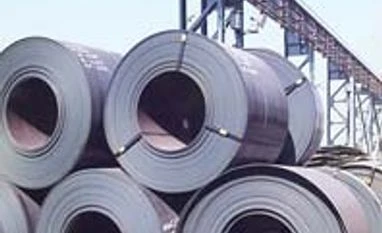 "Steel companies set to raise prices on costlier inputs")


