4 min read Last Updated : May 25 2022 | 10:58 PM IST
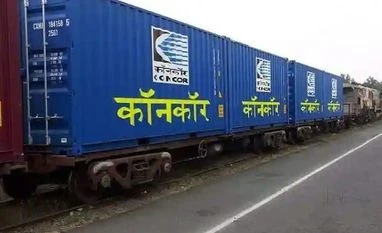
The Container Corporation of India (Concor) stock was the top gainer in the BSE 100 Index on Monday rising about 5 per cent, after being under pressure on Friday on weak operational performance in the January-March quarter (Q4) and a substantial capital expenditure (capex) programme announced by the company.
Concor is planning to spend Rs 8,000 crore to Rs 10,000 crore over the next three to four years to augment its infrastructure, rolling stock, containers and equipment. The investment over three to four years is higher than the previous cycle; the company had invested about Rs 3,800 crore over the last four years.
Priyankar Biswas and Neelotpal Sahu of Nomura Research say that the stock correction last week was overdone given the past record on capex and impending divestment. “The previous five year capex target was Rs 6,000-8,000 crore or Rs 1,200-1,600 crore per year while actual capex was Rs 3,800 over FY18-22 or significantly below target and in none of the financial years did capex cross Rs 1,200 leading us to view the Rs 8,000-Rs 10,000 capex target as optimistic.”
Given the capex is largely on equipment, it can be easily deferred in the event volumes trail management’s target. Long term capital allocation plans amidst divestment of Concor are inconsequential, they add.
A key factor for the stock going ahead is the volume and margin trajectory. The company is optimistic about growth going ahead and has a target of achieving a volume of 5 million twenty-foot equivalent units or TEUs in FY23 on the back of a 10-12 per cent growth in the export import segment and 25 per cent rise in the domestic segment.
A significant chunk of incremental domestic growth is expected to come from the containerisation of bulk goods such as cement and food using flexi bags. Cement could be a big focus area as only 74 million tonnes of the total cement production volume of 300 million tonnes is transported by rail. The company is planning to transport 12 million tonnes of cement over the next four years which is significant considering that this segment’s volume would be equivalent to the company overall domestic volumes in FY22. The company plans to add 50,000 to 1 lakh containers to support its growth plans.
Progress on the western dedicated freight corridor or WDFC (Rewari to Palanpur) has helped the company improve efficiency and register faster turnaround times with more gains to follow as JNPT is linked. Alok Deora and Dhirendra Patro of Motilal Oswal Research expect volumes to pick up with commissioning of DFCs, thereby leading to 19 per cent annual revenue growth over the FY22-24 period. With the pick-up in domestic volumes and efficiency improvements from DFCs, Concor’s operating profit margin is likely to be stable at 23 per cent, resulting in 20 per cent annual operating profit growth over FY21-24, they add.
While there were worries related to the withdrawal of haulage rebates by the Indian railways, the company was able to pass on the same to customers. The company expects gross margins to be in the 31-32 per cent (FY22 at 31 per cent). The go ahead for the long term land leasing policy would help the government proceed with the divestment of 30 per cent stake sale in the company.
At the current price, the stock is trading at 29 times its FY23 earnings estimates. Analysts at Centrum Research believe that the structural and positive change in Indian Railways’ approach towards freight, DFC-led growth resurgence for rail movement of containers and robust outlook for domestic business would support the stock’s premium valuations. Given the pending nod for leasing policy and divestment, investors should await clarity on both before considering the stock.