The hybrid model for road projects is a win-win solution: K Ramanand
Interview with Managing Director IL&FS Transportation
Sanjay Jog Infrastructure Leasing and Financial Services (IL&FS) Transportation expects the government's initiatives will boost development of roads in the country. In an e mail interview with Sanjay Jog,
K Ramchand, the company's managing director, says the target of construction of 30 km a day can be achieved if there is commitment from the government. Edited excerpts.
How is IL&FS Transportation geared to take up projects to be awarded by the government? IL&FS Transportation is the oldest road development company and the largest toll operator in the country with around 13,000 lane km in its portfolio. We are happy to see the policy initiatives taken by the government for a revival of the sector.
Reforms will reduce delays and improve lenders' comfort. In the current fiscal year we could comfortably look at projects to the tune of Rs 8000-10,000 crore. In the next fiscal year we could increase our bandwidth as we anticipate a reduction in interest rates and a change in the business environment.
Are the public-private partnership and engineering-procurement-construction models workable? Yes, both are workable. PPP was the preferred mode for national highway development mainly because it is value for money for the taxpayer through optimal risk transfer and risk management. In PPPs there is the creation of added value through synergies between public authorities and private companies, particularly through the integration and cross-transfer of public and private sector skills, knowledge and expertise.
Ideally, we believe PPP is the best mode for awarding big projects and EPC for smaller ones.
What is your view on the hybrid model and exit option for road projects after 2009? The hybrid model will be a win-win situation for the government and developers. The government is expected to fund up to 40 per cent of the project cost while the private player will have to secure financial close for the remaining 60 per cent.
Lenders might be comfortable in financing, and the revenue risk due to traffic variation is also covered by this model's annuity mode. Here, the concessionaire will be assured of annual sums to be paid by the government. The total project cost is likely to be inflation-linked. Exit for projects awarded before 2009 will aid stressed developers and improve lenders' comfort. These measures will definitely revive developers' interest.
Is construction of 30 km per day achievable? The suggestions of the RC Sinha committee on revamping of the National Highways Authority of India, if accepted, are likely to improve the highway execution this year onwards. We believe it is possible to attain the target of 30 km per day if there is a strong commitment from the government.
The government is looking at pension and insurance funds to expedite road development. Pension funds are looking for diversification of their investment risk and new sources of return. For them infrastructure feels more tangible and a simple business model to follow than a lot of other complex products and derivative strategies.
Road investments are a natural fit with the long-term liabilities of pension funds. Investments in the infrastructure sector are socially responsible, which should easily bring in pension and insurance funds if we have an appropriate policy framework.

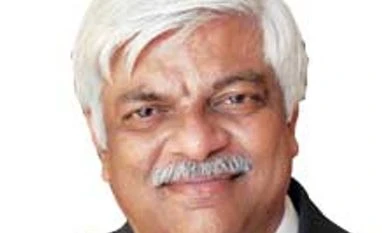 "The hybrid model for road projects is a win-win solution: K Ramanand")


 Connect with us on WhatsApp