There's now a vessel that produces zero pollution

The Hydrogen passenger shuttle was recently certified to operate as a seagoing vessel by Lloyd's Register
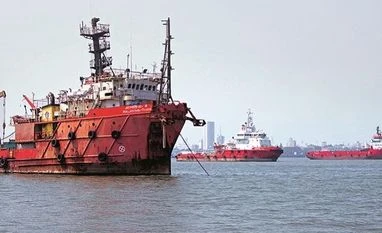
cargo ship
Pollution from the trillion-dollar shipping industry is still loosely regulated
Bloomberg
Last Updated : Nov 29 2017 | 10:27 PM IST
Cie Maritime Belge has built the first commercial ship that runs on hydrogen and produces zero pollution, taking the world a step closer to cargo without emissions.

The Hydroville passenger shuttle can operate on compressed hydrogen as well as regular fuel oil, according to the Belgian company. The ship was recently certified to operate as a seagoing vessel by Lloyd’s Register. CMB will expand the technology to engines on cargo ships after initial testing.

“The potential for hydrogen worldwide is huge,” said Alexander Saverys, chief executive officer of Antwerp-based CMB, in a phone interview. “The boom in renewable energy gives a real opportunity to produce hydrogen in a cheap way.”

Pollution from the trillion-dollar shipping industry is still loosely regulated. While it’s estimated to produce as much as 3 percent of the world’s emissions, it wasn’t included in the 2015 Paris climate agreement. Ships almost always burn heavy fuel oil, one of the dirtiest and cheapest forms of energy.

Oversight on shipping emissions is about to change, however, as the International Maritime Organisation, a United Nations agency, is set to impose from 2020 stringent new rules that limit the amount of sulfur emissions from ships. There are also talks about adding a carbon tax.

“There’s a very strong commitment to decarboniSe shipping from powerful countries such as China, Japan, and a group of European nations,” said Tristan Smith, a lecturer at University College London’s energy institute and a former naval architect. “Hydrogen is one of the most cost effective ways to do this. It’s proven, it works in the energy system and it’s easy to combust in ships.”

While other forms of transportation that are leaning toward batteries such as electric cars and trucks, cargo shipping is simply too energy intensive for that to be an option. “Even with the world’s biggest battery, we wouldn’t even be able to sail a full day,” said Roy Campe, research and development manager at CMB.

One subscription. Two world-class reads.

Already subscribed? Log in

Subscribe to read the full story →
*Subscribe to Business Standard digital and get complimentary access to The New York Times

Smart Quarterly

₹900

3 Months

₹300/Month

SAVE 25%

Smart Essential

₹2,700

1 Year

₹225/Month

SAVE 46%
*Complimentary New York Times access for the 2nd year will be given after 12 months

Super Saver

₹3,900

2 Years

₹162/Month

Subscribe

Renews automatically, cancel anytime

Here’s what’s included in our digital subscription plans

Exclusive premium stories online

  • Over 30 premium stories daily, handpicked by our editors

Complimentary Access to The New York Times

  • News, Games, Cooking, Audio, Wirecutter & The Athletic

Business Standard Epaper

  • Digital replica of our daily newspaper — with options to read, save, and share

Curated Newsletters

  • Insights on markets, finance, politics, tech, and more delivered to your inbox

Market Analysis & Investment Insights

  • In-depth market analysis & insights with access to The Smart Investor

Archives

  • Repository of articles and publications dating back to 1997

Ad-free Reading

  • Uninterrupted reading experience with no advertisements

Seamless Access Across All Devices

  • Access Business Standard across devices — mobile, tablet, or PC, via web or app

Next Story



