'Uncertainty over Reliance Industries deal drove FRL lenders to IBC'

Protracted litigation, safeguarding bankers' interest also led to the action
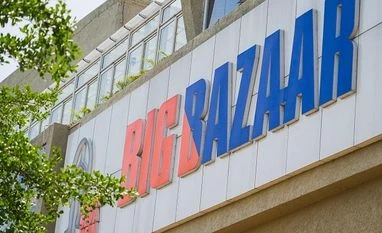
Future Retail
Photo: Shutterstock
Abhijit Lele Mumbai
2 min read Last Updated : Apr 17 2022 | 11:19 PM IST
While lenders were preparing for taking Future Retail (FRL) to the bankruptcy court, the protracted litigation and uncertainty on a deal with Reliance Industries nudged them into immediate action under the Insolvency and Bankruptcy Code (IBC).

The next steps include approaching the Debt Recovery Tribunal (DRT) and examining prospects to invoke guarantees. A senior banker with a public sector bank said going to National Company Law Tribunal (NCLT) was the last option. The legal process — Amazon-Future issues — continues to drag.

There was some expectation of Reliance taking initiative for a way out but there was hardly any movement forward. Banks have charge on assets and this was a step (NCLT application) to protect their rights and an effort at a resolution, bankers said.

A middle-level bank executive said a resolution, which is approved by a judicial forum like NCLT, is safe for bankers, especially those in public sector banks. It protects them from litigation in the future that they have to fight on their own after retirement.

After a part of the IBC process, Bank of India (BoI), which moved NCLT on behalf of lenders, suggested that the insolvency tribunal appoint Vijay Kumar V Iyer as interim professional of the company. Besides admission at the tribunal, lenders’ work will involve steps like preparing a resolution plan, getting it vetted from rating agencies and inviting interest from resolution applicants, bankers added.

The total exposure of banks is estimated around Rs 17,000 crore. Besides BoI, others in the lenders’ consortium include Axis Bank, Andhra Bank, State Bank of India (SBI), Corporation Bank, IDBI Bank, Union Bank of India, Bank of Baroda, Central Bank of India and Punjab National Bank.

As for making provisions for FRL, they have been setting aside money as provision since Q1 of FY22 as this is being restructured under Covid regulatory package.

Lenders have been treating it as a non-performing asset (NPA) since Q4 of FY22. Provisions are more than regulatory norms and would continue over a period. A senior SBI executive said efforts will be made for a resolution and the prospects of recovery are low. The company, being a retail venture, has hardly any hard assets.

Future Group companies will conduct meetings of their respective shareholders and creditors from April 20-23 to seek their nod for the deal.

One subscription. Two world-class reads.

Already subscribed? Log in

Subscribe to read the full story →
*Subscribe to Business Standard digital and get complimentary access to The New York Times

Smart Quarterly

₹900

3 Months

₹300/Month

SAVE 25%

Smart Essential

₹2,700

1 Year

₹225/Month

SAVE 46%
*Complimentary New York Times access for the 2nd year will be given after 12 months

Super Saver

₹3,900

2 Years

₹162/Month

Subscribe

Renews automatically, cancel anytime

Here’s what’s included in our digital subscription plans

Exclusive premium stories online

  • Over 30 premium stories daily, handpicked by our editors

Complimentary Access to The New York Times

  • News, Games, Cooking, Audio, Wirecutter & The Athletic

Business Standard Epaper

  • Digital replica of our daily newspaper — with options to read, save, and share

Curated Newsletters

  • Insights on markets, finance, politics, tech, and more delivered to your inbox

Market Analysis & Investment Insights

  • In-depth market analysis & insights with access to The Smart Investor

Archives

  • Repository of articles and publications dating back to 1997

Ad-free Reading

  • Uninterrupted reading experience with no advertisements

Seamless Access Across All Devices

  • Access Business Standard across devices — mobile, tablet, or PC, via web or app

Topics :Reliance IndustriesFuture RetailDebt Recovery TribunalInsolvency and Bankruptcy Code

Next Story


