We aim to bring debt to Ebitda ratio to 3.75: JSW Steel's Seshagiri Rao

Interview with Joint Managing Director and Group Chief Financial Officer, JSW Steel
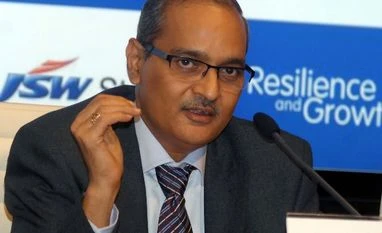
Seshagiri Rao
Ishita Ayan Dutt Kolkata
Last Updated : Mar 02 2017 | 4:41 AM IST
In the past few years, Sajjan Jindal’s JSW Steel has been linked with a significant number of acquisitions, and more recently, with Monnet Ispat Energy (through the strategic debt restructuring route), Bhushan Steel, and Italian steel plant Ilva. In a conversation with Ishita Ayan Dutt, JSW Steel’s Joint Managing Director and Group Chief Financial Officer, Seshagiri Rao, says the company is cautious, and is well on course to bring down its debt to Ebitda (earnings before interest, taxes, depreciation and amortisation) ratio. Edited excerpts:

You have so many acquisitions on the radar, how will you fund them?
Maybe our name gets associated with different targets. But we have not acquired any company since Welspun.

But, you are in the final leg of negotiations for some. How will you finance these acquisitions?
We’re examining some assets, but we are a cautious firm.

For many of the assets, it seems the preferred model is taking over debt rather than investing in equity. What is your current debt and how would you service the debt, if these acquisitions materialise, going forward?
Our net debt, as on December 31, 2016, is Rs 44,000 crore for an 18-million-tonne company. Total gross block including associate units is Rs 60,000 crore. Many companies with probably one-third of our capacity would have as much debt. We are at a comparable level with competition. Our target is to bring debt to ebitda ratio to 3.75 and below, and our plans take that into account. Debt to ebitda as on December 31 was 4.02:1, but it includes March 2016, which was an aberration. In March 2016, things went a bit haywire. Not that we did anything wrong. But unfair imports surged, and the ebitda went down to Rs 6,000 on higher sales. But we are in the process of bringing down the debt to ebitda level to 3.75, and it will happen during the course of next year.

Your performance has been good in the last quarter, how have you been able to manage volatility even without captive raw material linkages?
We managed to reduce volatility by producing more value- added products. Thirty-seven per cent of our total sales is value-added products. Also, we realised that long products were not doing well, so we focused on flat products. We changed our geographical mix by increasing exports.

How did you restrict capital cost?
We have three-four areas of strength. One such is, completing a project within time. The interest cost during the construction phase accounts for 25 per cent of the project cost. If the project takes time, cost goes up. Second, we don’t look for EPC (engineering project construction) contractors for a project; we have an in-house project management team. So, we don’t look for any EPC guarantees. And, finally, we are efficient in sourcing.

One subscription. Two world-class reads.

Already subscribed? Log in

Subscribe to read the full story →
*Subscribe to Business Standard digital and get complimentary access to The New York Times

Smart Quarterly

₹900

3 Months

₹300/Month

SAVE 25%

Smart Essential

₹2,700

1 Year

₹225/Month

SAVE 46%
*Complimentary New York Times access for the 2nd year will be given after 12 months

Super Saver

₹3,900

2 Years

₹162/Month

Subscribe

Renews automatically, cancel anytime

Here’s what’s included in our digital subscription plans

Exclusive premium stories online

  • Over 30 premium stories daily, handpicked by our editors

Complimentary Access to The New York Times

  • News, Games, Cooking, Audio, Wirecutter & The Athletic

Business Standard Epaper

  • Digital replica of our daily newspaper — with options to read, save, and share

Curated Newsletters

  • Insights on markets, finance, politics, tech, and more delivered to your inbox

Market Analysis & Investment Insights

  • In-depth market analysis & insights with access to The Smart Investor

Archives

  • Repository of articles and publications dating back to 1997

Ad-free Reading

  • Uninterrupted reading experience with no advertisements

Seamless Access Across All Devices

  • Access Business Standard across devices — mobile, tablet, or PC, via web or app

Next Story



