Why RBI move to supersede Reliance Capital board is par for the course

The dire financial condition of RCap is emblematic of the decline of the Anil Ambani group in the last five-six years
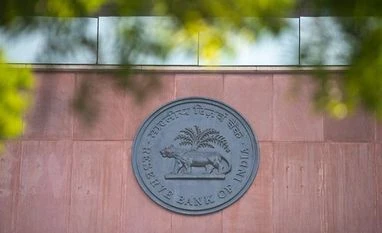
Photo: Shutterstock
Photo: Shutterstock
Krishna Kant
2 min read Last Updated : Nov 30 2021 | 6:04 AM IST
The Reserve Bank of India’s decision to supersede the board of Reliance Capital (RCap) should not come as a surprise. The company had last reported profits in 2016-17 (FY17) and has been loss-making ever since.

It reported a cumulative net loss of nearly Rs 19,000 crore in the last four and a half years, leading to a complete erosion of its net worth. It reported a negative net worth of Rs 13,700 crore at the end of September this year (H1FY22), against gross debt of Rs 27,100 crore.

The dire financial condition of RCap is emblematic of the decline of the Anil Ambani group in the last five-six years. The six listed companies in the group reported a combined net loss of Rs 17,000 crore in 2020-21 and a net loss of Rs 14,400 crore during the trailing 12 months ended September. With this, the group cumulatively lost Rs 1.03 trillion in the past four and a half years. 

The group had last reported profit at a group level in FY17. The group companies reported combined gross debt of Rs 1.31 trillion at the end of H1FY22 and negative net worth of Rs 59,300 crore, making it one of the most indebted business groups in India. All group companies are loss-making, with Reliance Communication and Reliance Naval and Engineering being the most financially stressed.

At the same time, group revenues are down by a third in the period, from a high of Rs 78,500 crore in 2015-16 to Rs 50,000 crore during the 12 months ended September. The group companies’ market capitalisation is down 85 per cent in the last five years, from Rs 58,500 crore at the end of March 2017, to Rs 8,360 crore now.


One subscription. Two world-class reads.

Already subscribed? Log in

Subscribe to read the full story →
*Subscribe to Business Standard digital and get complimentary access to The New York Times

Smart Quarterly

₹900

3 Months

₹300/Month

SAVE 25%

Smart Essential

₹2,700

1 Year

₹225/Month

SAVE 46%
*Complimentary New York Times access for the 2nd year will be given after 12 months

Super Saver

₹3,900

2 Years

₹162/Month

Subscribe

Renews automatically, cancel anytime

Here’s what’s included in our digital subscription plans

Exclusive premium stories online

  • Over 30 premium stories daily, handpicked by our editors

Complimentary Access to The New York Times

  • News, Games, Cooking, Audio, Wirecutter & The Athletic

Business Standard Epaper

  • Digital replica of our daily newspaper — with options to read, save, and share

Curated Newsletters

  • Insights on markets, finance, politics, tech, and more delivered to your inbox

Market Analysis & Investment Insights

  • In-depth market analysis & insights with access to The Smart Investor

Archives

  • Repository of articles and publications dating back to 1997

Ad-free Reading

  • Uninterrupted reading experience with no advertisements

Seamless Access Across All Devices

  • Access Business Standard across devices — mobile, tablet, or PC, via web or app

Topics :Reserve Bank of IndiaReliance CapitalAnil AmbaniRBI

Next Story



