One of the new guidelines says that while advertisements may feature people undertaking gender-stereotypical roles or displaying gender-stereotypical characteristics, they must not suggest that stereotypical roles or characteristics are: always uniquely associated with a particular gender; the only options available to a particular gender; or never carried out or displayed by another gender(s).
The other guidelines include:
- While advertisements may feature glamorous and attractive people, they must not suggest that an individual’s happiness or emotional well-being depends on conforming to these idealised gender-stereotypical body shapes or physical features.
- Ads should not mock people for not conforming to gender stereotypes, their sexual orientation or gender identity, including in a context that is intended to be humorous, hyperbolic or exaggerated.
- They should not reinforce unrealistic and undesirable gender ideals or expectations.
- An advertisement may not suggest that a person fails to achieve a task specifically because of their gender.
- Where an ad features a person with a physique or physical characteristics that do not match an ideal stereotype associated with their gender, it should not imply that their physique or physical characteristics are a significant reason for them not being successful.
- Ads should not indulge in the sexual objectification of characters of any gender or depict people in a sexualised and objectified way for the purposes of titillating viewers.
- No gender should be encouraged to exert domination or authority over the other(s) by means of overt or implied threats, actual force or through the use of demeaning language or tone. Ads cannot provoke or trivialise violence (physical or emotional), unlawful or anti-social behaviour based on gender. Additionally, they should not encourage or normalise voyeurism, eve-teasing, stalking, emotional or physical harassment or any similar offences. This does not prevent the ad from showing these depictions as a means to challenge them.
Batting for the need for such guidelines to ensure a positive portrayal of gender on screen, Irani said, “It is time not only for the men but also for the women in the advertising industry to step up. This is a very important move, and I believe there is a long journey to be undertaken to change the thinking, but it’s required now. Work in this area must move with more and more speed and organisations like ASCI should lead this.”

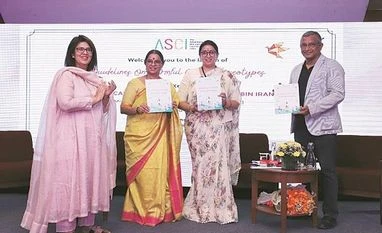 "ASCI frames guidelines to ask advertisers to break gender stereotypes")












 Connect with us on WhatsApp