BBC's Delhi bus rape documentary stirs fierce debate
The documentary instantly came under fire when an excerpt was aired across TV channels.
Anisha Dutta Mumbai Israeli-born filmmaker Leslee Udwin's came to India two years ago to capture and explore the thoughts of the rapists behind one of the most brutal and talked about crimes in 2012, the Delhi gang rape. The 57-year-old Udwin was given permission to interview one of the rapists, Mukesh Singh, inside Tihar Jail. Little did she know at the time that her film – due to be aired this weekend – would set off a raging debate in India.
The documentary instantly came under fire when an excerpt was aired across TV channels. In it, Singh is seen making misogynistic statements claiming that a girl is more responsible for her rape than its perpetrators.
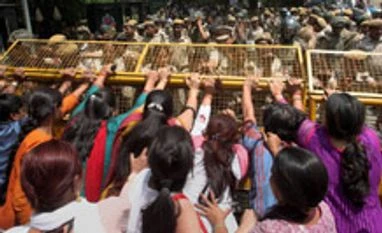
"When being raped, she shouldn't fight back. She should just be silent and allow the rape. Then they'd have dropped her off after 'doing her', and only hit the boy," he says in the documentary, referring to the fatal gangrape of Jyoti Singh in a moving bus in December 2012, and which sparked massive protests across the nation over the lack of women’s safety and rights.
“It was an Arab spring for gender equality .... A cry of ‘enough is enough’” writes Udwin, who stayed away from her family for the two years of making the film, in a piece for the Guardian. “.... They were protesting for my rights and the rights of all women. That gives me optimism. I can’t recall another country having done that in my lifetime.”
Politicians, however, have bickered over how Udwin got permission for the interview. Home Minister Rajnath Singh has sought a detailed report from Tihar jail Director General Alok Kumar Verma on why the no-objection certificate was granted, reportedly by the Home Ministry in July 2013 when the Congres-led UPA government was in power.
A restraining order has been obtained against the interview's telecast stirring a huge debate on whether the documentary should be aired or not.
The main argument against the documentary being aired is the claim that it hurts Indian sentiments and has insulted the victim and her family. As was to be expected, social media mirrored the sentiment with the hashtag #NirbhayaInsulted and #IndiasDaughter.
Supporters of the telecast say that it is necessary to expose the patriarchal mindset that prevails in the country, and which blames women even for violence inflicted by men.

 "BBC's Delhi bus rape documentary stirs fierce debate")


 Connect with us on WhatsApp