President Joe Biden will appeal for a renewed international commitment to attacking COVID-19 as he convenes a second virtual summit on the pandemic and marks 1 million deaths in the United States.
As a nation, we must not grow numb to such sorrow," Biden said in a statement Thursday. "To heal, we must remember. We must remain vigilant against this pandemic and do everything we can to save as many lives as possible.
The president called on Congress to provide more funding for testing, vaccines and treatments, something lawmakers have been unwilling to deliver so far.
The lack of funding Biden has requested another $22.5 billion of what he calls critically needed money is a reflection of faltering resolve at home that jeopardizes the global response to the pandemic.
Eight months after he used the first such summit to announce an ambitious pledge to donate 1.2 billion vaccine doses to the world, the urgency of the U.S. and other nations to respond has waned.
Momentum on vaccinations and treatments has faded even as more infectious variants rise and billions of people across the globe remain unprotected.
The White House said Biden will address the opening of the virtual summit Thursday morning with prerecorded remarks and will make the case that addressing COVID-19 must remain an international priority. The U.S. is co-hosting the summit along with Germany, Indonesia, Senegal and Belize.
The U.S. has shipped nearly 540 million vaccine doses to more than 110 countries and territories, according to the State Department by far more than any other donor nation.
After the delivery of more than 1 billion vaccines to the developing world, the problem is no longer that there aren't enough shots but a lack of logistical support to get doses into arms. According to government data, more than 680 million donated vaccine doses have been left unused in developing countries because they were set to expire soon and couldn't be administered quickly enough. As of March, 32 poorer countries had used fewer than half of the COVID-19 vaccines they were sent.
U.S. assistance to promote and facilitate vaccinations overseas dried up earlier this year, and Biden has requested about $5 billion for the effort through the rest of the year.
We have tens of millions of unclaimed doses because countries lack the resources to build out their cold chains, which basically is the refrigeration systems; to fight disinformation; and to hire vaccinators, White House press secretary Jen Psaki said this week. She added that the summit is going to be an opportunity to elevate the fact that we need additional funding to continue to be a part of this effort around the world.
We're going to continue to fight for more funding here, Psaki said. But we will continue to press other countries to do more to help the world make progress as well.
Congress has balked at the price tag for COVID-19 relief and has thus far refused to take up the package because of political opposition to the impending end of pandemic-era migration restrictions at the U.S.-Mexico border. Even after a consensus for virus funding briefly emerged in March, lawmakers decided to strip out the global aid funding and solely focus the assistance on shoring up U.S. supplies of vaccine booster shots and therapeutics.
Biden has warned that without Congress acting, the U.S. could lose out on access to the next generation of vaccines and treatments, and that the nation won't have enough supply of booster doses or the antiviral drug Paxlovid for later this year. He's also sounding the alarm that more variants will spring up if the U.S. and the world don't do more to contain the virus globally.
To beat the pandemic here, we need to beat it everywhere, Biden said last September during the first global summit.
The virus has killed more than 995,000 people in the U.S. and at least 6.2 million people globally, according to figures kept by the Centers for Disease Control and Prevention and the World Health Organization.
Demand for COVID-19 vaccines has dropped in some countries as infections and deaths have declined globally in recent months, particularly as the omicron variant has proved to be less severe than earlier versions of the disease. For the first time since it was created, the U.N.-backed COVAX effort has enough supply to enable countries to meet their national vaccination targets, according to vaccines alliance Gavi CEO Dr. Seth Berkley, which fronts COVAX.
Still, despite more than 65% of the world's population receiving at least one COVID-19 vaccine dose, fewer than 16% of people in poor countries have been immunized. It is highly unlikely countries will hit the World Health Organization target of vaccinating 70% of all people by June.
In countries including Cameroon, Uganda and the Ivory Coast, officials have struggled to get enough refrigerators to transport vaccines, send enough syringes for mass campaigns and get enough health workers to inject the shots. Experts also point out that more than half of the health workers needed to administer the vaccines in poorer countries are either underpaid or not paid at all.
Donating more vaccines, critics say, would miss the point entirely.
It's like donating a bunch of fire trucks to countries that are on fire, but they have no water, said Ritu Sharma, a vice president at the charity CARE, which has helped immunize people in more than 30 countries, including India, South Sudan and Bangladesh.
We can't be giving countries all these vaccines but no way to use them, she said, adding that the same infrastructure that got the shots administered in the U.S. is now needed elsewhere. We had to tackle this problem in the U.S., so why are we not now using that knowledge to get vaccines into the people who need them most?

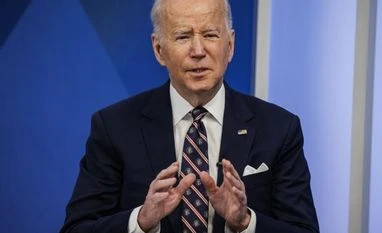 "Biden marks 1 mn US Covid-19 deaths, to co-host 2nd global summit today")


 Connect with us on WhatsApp