
Containment zones in Delhi increase by more than 8 times in Dec, shows data
Delhi has been battling a rise in Omicron cases and currently has 320 cases
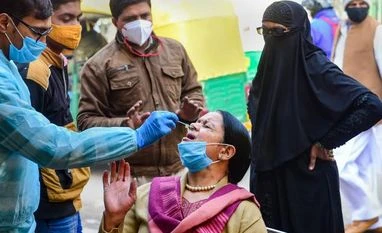 "Containment zones in Delhi increase by more than 8 times in Dec, shows data")
WebinarsNew
Deep DiveNew
Explore Business Standard
Delhi has been battling a rise in Omicron cases and currently has 320 cases
With rapid rise in coronavirus cases in the national capital, the number of containment zones has also increased by more than eight times from the beginning of this month.
Delhi has been battling a rise in Omicron cases and currently has 320 cases with experts warning that the numbers are expected to soar with each passing day.
On December 1, when the national capital had logged 39 infections in a single day, the number of containment zones stood at 102. Cut to December 30, the number of containment zones has increased to 823, while single-day infections have risen to 1,313.
South district has the maximum number of active containment zones at 402, followed by west at 108 and New Delhi at 84 zones. Northeast district has zero active containment zones, with only 53 active cases. East district has six active containment zones, while the central district has 18 such zones.
Southwest, northwest and Shahdara districts have less than 50 active containment zones at 33, 26 and 30, respectively. New Delhi, North and southeast districts have 84, 62 and 54 active containment zones, respectively.
Within a span of 10 days, the containment zones have multiplied by five times, official data said.
On December 19, the national capital had 91 single day infections, while the number of containment zones was at 163 and rose to 173 the next day. On December 22, the number of containment zones crossed the 200-mark with it showing a constant increase with every passing day as the cases also increased by nearly 10 times during the period.
The number of containment zones crossed the 300-mark on December 26. The number of containment zones stood at 645 on December 29 and saw a significant jump the next day to settle at 823.
Delhi Health Minister Satyendar Jain said Omicron is gradually spreading in the community and the new, fast-spreading variant of concern has been found in 54 per cent of the latest samples analysed in the national capital.
Curbs have been put in place as part of the yellow alert under the Graded Response Action Plan (GRAP) to check the spread of COVID-19. These include closure of schools, capping the number of attendees at marriages and funerals to 20 and restricting metro and buses to run with 50 per cent seating capacity.
(Only the headline and picture of this report may have been reworked by the Business Standard staff; the rest of the content is auto-generated from a syndicated feed.)
First Published: Dec 31 2021 | 10:00 PM IST


 Connect with us on WhatsApp