Fit & Proper: The heart-and-mouth connection
Your weekly health guide
Subhash Chandra Neelam, an 18-year-old college student, has been suffering from a leaking heart valve. She was diagnosed with endocarditis, an infection in the valves caused by mouth bacteria. Neelam's heart valves got infected because of dental caries. Swollen and bleeding gums are an early sign of gums being infected by bacteria. The spread of the infection not only destroys the structure of the teeth in the jawbone but can lead to heart problems in the long run when tooth decay is severe.
Studies by the Academy of General Dentistry have shown that people with moderate or advanced gum disease are more likely to have heart disease than those with healthy gums. Many of the risk factors for gum disease are the same as those for heart disease: tobacco use, poor nutrition and diabetes.
Gum disease (called gingivitis in the early stages and periodontal disease in the late stages) is caused by plaque build-up along and below the gum line. Some researchers have suggested that gum disease may contribute to heart disease because bacteria from the infected gums can dislodge, enter the bloodstream, attach to the blood vessels and increase clot formation. It has also been suggested that swelling caused by gum disease may trigger clot formation. Clots decrease blood flow to the heart, thereby causing a rise in blood pressure and increasing the risk of a heart attack.
Research shows that many systemic diseases (including heart disease) have oral symptoms. Dentists can help patients who have a history of heart disease by examining them for any signs of oral pain or infection. According to the Academy of General Dentistry, proper diagnosis and treatment of tooth and gum infections in some patients have led to a decrease in blood pressure medications and improved overall health. If you have a heart disease, make sure to tell your dentist about your condition as well as any medications you are currently taking. Remember to carefully follow your physician's and dentist's instructions about health care, and use any prescription medications, such as antibiotics, as directed.
QUICK TIPS - Brush your teeth twice daily. Follow your dentist's instructions to brush them properly.
- Regular check-up is a must. People in their late 50s must see the dentist at least once a year.
- Patients suffering from valvular heart disease should be very careful about their dental hygiene and must have an antibiotic cover, which includes scaling, cleaning and root canal treatment.
- Cardiac patients taking aspirins or blood thinner medicines should stop taking these before undergoing major dental procedures to avoid excessive bleeding.
Subhash Chandra Chairman & HoD, cardiology, BLK Super Speciality Hospital, New Delhi

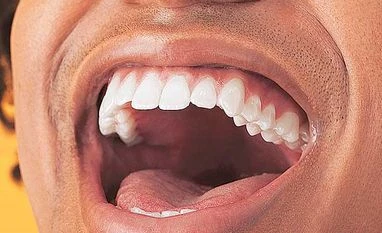 "<b>Fit & Proper:</b> The heart-and-mouth connection")


 Connect with us on WhatsApp