Five or six doses? Controversy over Pfizer Covid-19 vaccine vials

The difficulty in obtaining that sixth dose in practice means many countries are at loggerheads with Pfizer and facing a drop in supply.
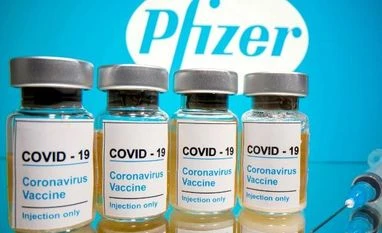
Pfizer vaccine
Until recently, each vial of the BioNTech-Pfizer vaccine was considered to officially contain five doses
AFP | PTI Paris
2 min read Last Updated : Jan 27 2021 | 9:41 PM IST
The US pharmaceutical giant Pfizer, which is manufacturing the Covid-19 vaccine developed by Germany's BioNTech, now considers each vial contains six doses compared to five previously.

The difficulty in obtaining that sixth dose in practice means many countries are at loggerheads with Pfizer and facing a drop in supply.
 
Until recently, each vial of the BioNTech-Pfizer vaccine was considered to officially contain five doses.
 
After being thawed, the contents of each vial are diluted with 1.8 ml of saline solution, creating a total of 2.25 ml of injectable solution. With each dose 0.3 ml, in theory there are just over seven doses.
 
But theory and practice are different. Medical personnel are unable to measure so precisely the doses to get seven doses they can inject into people.

But the found they could -- with the right equipment -- reliably get six doses out of the vials.
 
Both EU and US regulators now consider that the vials contain six doses and have authorised the use of the sixth dose.
 
However the European Medicines Agency noted that this sixth dose depends on the availability of specific syringes.

Pfizer has revised higher its production target for this year from 1.3 billion doses to 2 billion. While part of that reflects plans to further increase output, it also reflects the effect of the label change on vials.
 
Pfizer said its contracts specify the delivery of a certain number of vaccine doses and not vials.
 
This means customers are now receiving fewer vials than they did before regulators approved the change.
 
But in order to obtain that sixth dose medical a special syringe is required with a low "dead space". The dead space is the amount of the product left in the syringe when the plunger is completely pushed down
 

One subscription. Two world-class reads.

Already subscribed? Log in

Subscribe to read the full story →
*Subscribe to Business Standard digital and get complimentary access to The New York Times

Smart Quarterly

₹900

3 Months

₹300/Month

SAVE 25%

Smart Essential

₹2,700

1 Year

₹225/Month

SAVE 46%
*Complimentary New York Times access for the 2nd year will be given after 12 months

Super Saver

₹3,900

2 Years

₹162/Month

Subscribe

Renews automatically, cancel anytime

Here’s what’s included in our digital subscription plans

Exclusive premium stories online

  • Over 30 premium stories daily, handpicked by our editors

Complimentary Access to The New York Times

  • News, Games, Cooking, Audio, Wirecutter & The Athletic

Business Standard Epaper

  • Digital replica of our daily newspaper — with options to read, save, and share

Curated Newsletters

  • Insights on markets, finance, politics, tech, and more delivered to your inbox

Market Analysis & Investment Insights

  • In-depth market analysis & insights with access to The Smart Investor

Archives

  • Repository of articles and publications dating back to 1997

Ad-free Reading

  • Uninterrupted reading experience with no advertisements

Seamless Access Across All Devices

  • Access Business Standard across devices — mobile, tablet, or PC, via web or app

Topics :CoronavirusPfizerCoronavirus Vaccine

Next Story



