India would need nearly 250 million more doses to cover new cohorts

Nearly 40 per cent of the 76 million children between the ages of 15 and 18 reside in states where the vaccination pace has been slowest
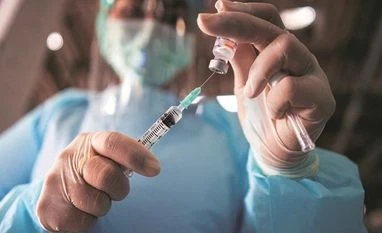
vaccine
Ishaan Gera New Delhi
2 min read Last Updated : Dec 26 2021 | 5:24 AM IST
On Saturday, in an address to the nation, Prime Minister Narendra Modi announced that India will be opening its vaccination for children aged 15 and over. The Prime Minister, while assuring the nation of the readiness to brace for a wave of infections owing to Omicron, announced that the country will be administering booster doses to healthcare and frontline workers and vulnerable population over the age of 60 with underlying health conditions. The “precautionary dose” will be administered from January 10.

On Saturday, the Drugs Controller General of India (DCGI) had given emergency use authorisation to Bharat Biotech for use of Covaxin for children above 12 years.

India has 30 million health and frontline workers in the country and 8.1 per cent of the people in the country are aged 60 and above.

A Business Standard analysis shows that there are 76 million children aged 15-18 across the country. The analysis is based on data from the Sample Registration System report of 2018. If India were to administer two doses each to people aged 15-18, it would require 152 million more doses starting January 3.


Analysis of data for children aged 15-18 shows that nearly 40 per cent of the 15-18 population for the nation is based in three states. Uttar Pradesh accounts for 19.4 per cent of the people in the age group, followed by Bihar at 11.6 per cent and Maharashtra at 8.3 per cent.


Uttar Pradesh and Bihar are also some of the worst states in terms of vaccine administration. While the country had achieved 148 per cent coverage in terms of total dose administration—a 200 per cent coverage implies complete vaccination—Uttar Pradesh had only a 124 per cent total dose coverage, whereas Bihar had 131 per cent coverage.


The country has till now administered the first dose to 835 million people, of which 576 million were fully vaccinated. There are 940 million adults aged 18 and above in the country.

Of the total 1.41 billion doses administered, only 10.79 per cent are Covaxin and the rest are Covishield doses. The country has been averaging 6.2 million doses daily, lower than 8.2 million doses on average nearly three weeks ago.

There are 111 million people aged 60 and above in the country. Assuming that even half have comorbidities, India would need nearly 250 million additional doses to vaccinate this cohort.

One subscription. Two world-class reads.

Already subscribed? Log in

Subscribe to read the full story →
*Subscribe to Business Standard digital and get complimentary access to The New York Times

Smart Quarterly

₹900

3 Months

₹300/Month

SAVE 25%

Smart Essential

₹2,700

1 Year

₹225/Month

SAVE 46%
*Complimentary New York Times access for the 2nd year will be given after 12 months

Super Saver

₹3,900

2 Years

₹162/Month

Subscribe

Renews automatically, cancel anytime

Here’s what’s included in our digital subscription plans

Exclusive premium stories online

  • Over 30 premium stories daily, handpicked by our editors

Complimentary Access to The New York Times

  • News, Games, Cooking, Audio, Wirecutter & The Athletic

Business Standard Epaper

  • Digital replica of our daily newspaper — with options to read, save, and share

Curated Newsletters

  • Insights on markets, finance, politics, tech, and more delivered to your inbox

Market Analysis & Investment Insights

  • In-depth market analysis & insights with access to The Smart Investor

Archives

  • Repository of articles and publications dating back to 1997

Ad-free Reading

  • Uninterrupted reading experience with no advertisements

Seamless Access Across All Devices

  • Access Business Standard across devices — mobile, tablet, or PC, via web or app

Topics :CoronavirusOmicronDelta variant of coronavirusCoronavirus VaccinehealthcareNarendra ModiCoronavirus TestsHealth crisisICMRDrug Controller General of India

Next Story



