Sitting Members of Parliament (MPs) and Members of Legislative Assembly (MLAs) with criminal cases pending against them are wary. If convicted, they will have to step down immediately in keeping with the Supreme Court’s landmark ruling of Wednesday.
On July 10, the apex court struck down Section 8(4) of the Representation of People’s Act 1951 — which allows lawmakers to remain in office till their appeal is heard — and said “disqualification takes place from the date of conviction”.
The apex court clarified that the ruling will not affect the MPs and MLAs who had been convicted and moved appeals before July 10.
This judgment will have far-reaching consequences in the current political set-up, where many ‘tainted’ candidates are given tickets by political parties during elections.
“Political parties will, henceforth, think twice before giving tickets to tainted candidates, because if they get convicted, they will lose their seat and the political party’s numbers (seats) would consequently come down in the House,” said Anil Bairwal, national coordinator, Association for Democratic Reforms (ADR). This could have an adverse impact on the strength of parties in legislatures.
It was Lily Thomas, a lawyer, and Lok Prahari, an NGO, that first moved the apex court through a public interest litigation (PIL) to draw their attention to Section 8 (4) of the Representation of People’s Act 1951, which allows convicted lawmakers to be exempted from disqualification if s/he appeals against the conviction within three months.
So far, MPs and MLAs convicted in criminal cases used this leeway to remain in office. Take, for instance, the case of Pappu Yadav, who served jail term on murder charges According to the Representation of People’s Act, a convicted person who had been sentenced to a prison term of two years and more would be barred from contesting elections for six years since release from jail. However, Yadav managed to become a Lok Sabha MP for four terms.
“Article 8(4) of the Representation of People’s Act was discriminatory. While any person who had been convicted with an imprisonment term of more than two years was not allowed to contest elections, this section allowed an MP or MLA who had been convicted for the same offence to continue to remain in office till his appeal was disposed off by the court,” says constitutional expert Subhash Kashyap.
The offences that disqualify MPs and MLAs from contesting elections covers an exhaustive list in Sub Sections 1, 2 and 3 of the Section (8) of the Act. Some of the offences include being convicted for bribery, rape-related offences, dowry cases, cruelty against women (section 498A of the Indian Penal Code), inciting hatred, and practising untouchabaility.
Significantly, the apex court struck down this controversial clause in the Act on the ground that it was not within the powers of Parliament to create exemption for MPs and MLAs.
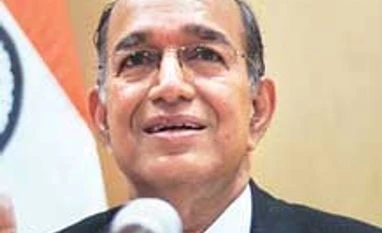
Hailing the Supreme Court’s decision, Chief Election Commissioner V S Sampath said, “It was long overdue. There cannot be any distinction between elected individual and non-elected individual. Hope that the Supreme Court order will clean the process.”

 "Legislators convicted before July 10 'not guilty'")


 Connect with us on WhatsApp