Home / Budget / News / Lok Sabha clears Finance Bill; FM says tax proposals aimed at helping poor
Lok Sabha clears Finance Bill; FM says tax proposals aimed at helping poor
Goyal also took a swipe at the Congress, saying unlike the previous UPA dispensation, the Modi government in its interim Budget did not reduce levies on SUVs, which are used by the rich
premium
Piyush Goyal also accused Congress of betraying the nation by opposing govt policies for the poor and farmers
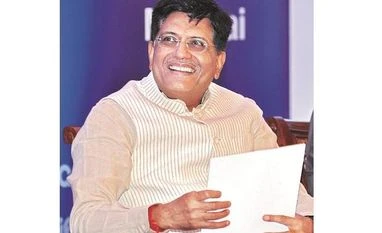
The Finance Bill 2019 was passed by the Lok Sabha on Tuesday. Finance Minister Piyush Goyal said the tax-related proposals and changes were aimed at helping the poor and middle class citizens.
Goyal, while moving the Bill for consideration and passage in the Lower House, also took a swipe at the Congress, saying unlike the previous United Progressive Alliance (UPA) dispensation, the Modi government in its interim Budget did not reduce levies on SUVs, which are used by the rich.
The Finance Bill 2019 will now go up for discussion in Rajya Sabha on Wednesday, which will be the last day of Parliament for the Budget Session as well as for the 16th Lok Sabha. Being a Money Bill, the Finance Bill does not require passage in Rajya Sabha to become law.
In the Bill, Goyal proposed to raise tax rebate for people with annual income of up to Rs 5 lakh from Rs 2,500 to Rs 12,500, which will effectively ensure that they don't have to pay any tax. Those having income of up to Rs 8-9 lakh too can take advantage of this if they invest in tax saving schemes, Goyal said. In the Bill, standard deduction has also been raised from Rs 40,000 to Rs 50,000, besides a host of tax benefits to home buyers.
The next government, which will be formed after the general elections, will come out with full Budget in July. It will also come up with a Finance Bill containing the tax proposals for 2019-20.
Elaborating on his tax proposals, Goyal said the decision to raise the rebate was to provide greater certainty about tax liability as salary payments to them is subject to Tax Deduction at Source (TDS). The proposal, Goyal added, was welcomed within and outside the House and will provide requisite impetus to savings and boost economic growth.

 "Lok Sabha clears Finance Bill; FM says tax proposals aimed at helping poor")











