Home / Health / Maharashtra to compile database of mucormycosis to assess its spread
Maharashtra to compile database of mucormycosis to assess its spread
The Maharashtra health department has decided to create a separate database of cases of mucormycosis, primarily being found in Covid-19 patients, to assess its actual spread and how to tackle it
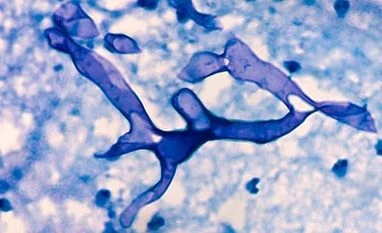
Cases of mucormycosis are on the rise in other states as well, including Gujarat, Odisha, Delhi and the southern states of India. Photo: Shutterstock
has decided to create a separate database of cases of mucormycosis, primarily being found in COVID-19 patients, to assess its actual spread and how to tackle it, officials said.
Two COVID-19 patients recently died of this rare but serious fungal infection in neighbouring Thane, while there has been a surge in such cases in Mumbai and Pune, they said.
As per doctors, mucormycosis, also known as the black fungus, is mostly found among COVID-19 patients who have diabetes. Its symptoms include headache, fever, pain under the eyes, nasal or sinus congestion and partial loss of vision.
Maharashtra Health Minister Rajesh Tope on Tuesday said there could be over 2,000 mucormycosis patients in the state as of now and with more and more COVID-19 cases coming up, "their number would increase for sure".
On Wednesday, the Brihanmumbai Municipal Corporation (BMC) said as many as 111 patients, all COVID-19 survivors, were undergoing treatment for mucormycosis in hospitals here.
According to state health services director Dr Archana Patil, earlier there was no regular health management of mucormycosis, though it was detected in a few pockets.
However, the Maharashtra health authorities have now decided make a detailed report of such cases in the state, and guidelines regarding it will soon be issued to all the districts, Patil said on Wednesday.
"Once such data is compiled on a real-time basis, we will have some idea about the actual spread of the fungal infection and how to respond to it. We can also allocate medicines and provide necessary guidance as per its prevalence," the official said.
According to health experts, cases of mucormycosis are rising in the state mainly among COVID-19 patients.
The immune system of such patients is weak which makes them more susceptible to this fungal infection, they said.
"There were some cases of this fungal infection in private hospitals last year during the first wave of COVID-19. But, some of those hospitals did not inform the state government or the ICMR about it," a state health official said on condition of anonymity.
(Only the headline and picture of this report may have been reworked by the Business Standard staff; the rest of the content is auto-generated from a syndicated feed.)

 "Maharashtra to compile database of mucormycosis to assess its spread")


 Connect with us on WhatsApp