Many people inject insulin improperly
According to a new study, many patients were injecting insulin improperly, leading to worse glucose control, poorer outcomes and higher costs
Reuters Many people who inject themselves with insulin to control diabetes are improperly performing this vital task, according to a large new study.
Based on the results, experts have crafted recommendations for people who use insulin that touch on everything from what type of needle to use to where the shot should be administered.
"Insulin injection has been assumed to be simple and require little training, but that's not the case," senior author Kenneth Strauss wrote to Reuters in an email.
Insulin users "may have been injecting for years and yet have had little or no training in correct technique," said Strauss, who is medical director in Europe of the medical technology company BD.
In all 42 countries in the current study, many patients were injecting improperly, "leading to worse glucose control, poorer outcomes and higher costs," he said.
The researchers surveyed 13,289 people at 423 medical centres in 2014 and 2015. Ten per cent of respondents said they had never received formal injection instructions, and more than 60 per cent said their primary care providers hadn't reviewed instructions with them recently.
Nearly 200 experts used the survey responses to help develop formal recommendations. For example, they recommend that patients use the shortest possible needles, which "are safe, effective and less painful." A 4-millimetre (mm) needle is available on insulin "pens". The shortest syringe needle is six mm.
"By using the shortest needles available, patients can avoid intramuscular injections which can lead to (low blood sugar), including the kind that can land them in the ER or cause an accident," Strauss said. Only half of the people surveyed were using the four-mm or six-mm needles. The authors also recommend ways to prevent small lumps known as lipohypertrophy. These can develop when an injection site is used over and over again, so patients need to rotate the sites. If lumps do develop, injecting into those sites will adversely affect the way the insulin is absorbed.
"We saw that 'lipos' . . . are at epidemic levels, with one out of three injectors having them," Strauss said. Lipohypertrophy was tied to a number of outcomes, including a higher average blood sugar level, known as glycated haemoglobin, over the past three months.

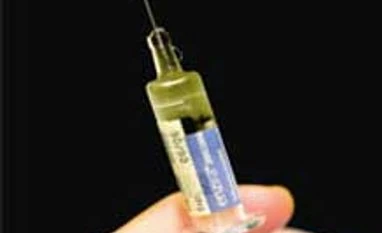 "Many people inject insulin improperly")


 Connect with us on WhatsApp