My job is to get Germans interested in India's development: Michael Steiner
Interview with German Ambassador
Anjali Puri German Ambassador to India
Michael Steiner walks a diplomatic tightrope these days. Jabbing at pictures of smiling Kendriya Vidyalaya (KV) children on the sofa next to him, he speaks fondly of encounters with them from Leh to Kerala. He praises Indian children's natural aptitude for German, and talks at length on the value of openness, as well as the opportunities for German-speaking foreigners in his country. However, he is careful to stress German has only been an optional subject in KVs, Sanskrit is vital and Indian cultural identity matters a lot. In passing, he mentions his wife is learning Hindi. The flamboyant Steiner, heard quoting Ghalib recently in well-rehearsed Urdu at a cultural event organised by the Aga Khan Foundation, is putting a lot into averting the fade-out of a showpiece project in which his government has invested both money (euro 2.2 million so far) and energy. This week, he met cultural warriors from the Sanskrit Shikshak Sangh who sowed the seeds of this controversy by going to court last year against German being taught in KVs. They talked about Sanskrit and German being members of the Indo-Germanic language family, Steiner tells Anjali Puri. Edited excerpts:
Was the German language programme a project negotiated by the Kendriya Vidyalaya Sangathan (KVS) and Goethe Institut-Max Mueller Bhavan or was it in the broader ambit of a bilateral relationship? As everywhere in the world, the memorandum of understanding (MoU) was between the institutions concerned. It was signed in the presence of the minister of state in the ministry of human resource development. And, of course, we constantly discussed it with the Indian government because it was such a successful common approach.
Were you surprised when you learnt the programme was suddenly called off? Such arrangements aren't usually overturned. Let's be correct. The MoU signed in 2011 lapsed in September 2014. This is why our foreign minister, Frank-Walter Steinmeier, who was here in September and incidentally visited a KV school, wanted to see an extension of the MoU. That was the plan. We did not count on the possibility that the MoU might not be extended. However, I would not use the term "surprised", as that isn't a term you use in diplomacy or politics.I think what this is about (now) is finding a practical solution that allows us to continue in a way that is in conformity with the legal situation in India. I feel this is possible and I think everyone wants it.
Isn't language teaching a cultural project? It is about expanding the reach of the language. Yes, but the point here is interaction. I want to lure Germans into realising the world is larger than they think. My job as an ambassador is to get Germans interested in the development of India, especially with this new dynamic here…And, who are the best ambassadors for India? Those who can communicate.
Your critics ask why there isn't any simultaneous move to teach a large number of German children Hindi. It is a matter of demand. There are excellent university courses in Hindi and Sanskrit, as well as some of the best research departments. Demand for Hindi will grow in Germany as the interest in India and its economy increases. This is what is happening with China and Mandarin.
What makes you hopeful that the controversy related to KVs will be resolved? The prime minister is a supporter of Indian children learning foreign languages. Why does he say that? Perhaps because he has launched important campaigns such as Make in India and Skill India. The prime minister wants India's rate of manufacturing to rise from 15 per cent to 25 per cent. If India has, at the same time, 30,000 people coming into the labour market every day, it needs to skill them. Germany's system of vocational training is the secret of our economic success. The prime minister and Chancellor Merkel have agreed working together on skilling and vocational training should be a priority in the bilateral relationship. In that context, it helps if Indian students who want to learn German are able to do so.

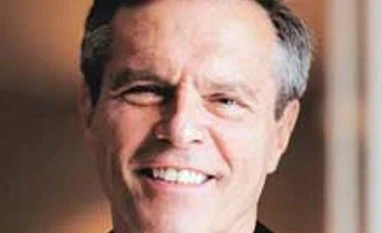 "My job is to get Germans interested in India's development: Michael Steiner")


 Connect with us on WhatsApp