Home / Health / Novavax vaccine seems 89% effective against coronavirus in UK study
Novavax vaccine seems 89% effective against coronavirus in UK study
The study of 15,000 people in Britain is still underway. But an interim analysis found 62 participants so far have been diagnosed with COVID-19 - only six of them in the group that got vaccine
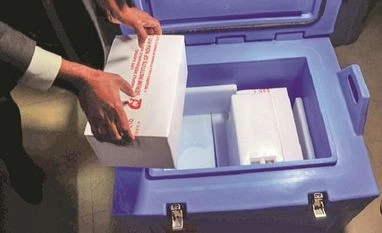
Vaccines against COVID-19 train the body to recognize the new coronavirus, mostly the spike protein that coats it.
Novavax Inc. said Thursday that its COVID-19 vaccine appears 89 per cent effective based on early findings from a British study and that it also seems to work though not quite as well against new mutated strains of the virus circulating in that country and South Africa.
The announcement comes amid worry about whether a variety of vaccines being rolled out around the world will be strong enough to protect against worrisome new variants and also the world needs new types of shoots to boost scarce supplies.
The study of 15,000 people in Britain is still underway. But an interim analysis found 62 participants so far have been diagnosed with COVID-19 only six of them in the group that got vaccine and the rest who received dummy shots.
The infections occurred at a time when Britain was experiencing a jump in COVID-19 caused by a more contagious variant. A preliminary analysis found over half of the trial participants who became infected had the mutated version. The numbers are very small but Novavax said they suggest the vaccine is nearly 96 per cent effective against the older coronavirus and nearly 86 per cent effective against the new variant.
Scientists have been even more worried about a strain first discovered in South Africa that carries different mutations and results from a smaller Novavax study suggests the vaccine does work but not nearly as well as it does against the variant from Britain.
The South African study included some volunteers with HIV. Among the HIV-negative volunteers, the vaccine appears 60 per cent effective. Including the immune-compromised volunteers, overall the protection was 49 per cent, the company said. While genetic testing still is underway, so far about 90 per cent of the COVID-19 illnesses found in the South African study appear due to the new mutant.
The preliminary findings may help Novavax win authorization for its vaccine in Britain but the U.S. government is funding a far larger study that's still recruiting volunteers.
Vaccines against COVID-19 train the body to recognize the new coronavirus, mostly the spike protein that coats it. But the Novavax candidate is made differently than the first shots being used. Called a recombinant protein vaccine, the Maryland company uses genetic engineering to grow harmless copies of the coronavirus spike protein in insect cells. Scientists extract and purify the protein and then mix in an immune-boosting chemical.
(Only the headline and picture of this report may have been reworked by the Business Standard staff; the rest of the content is auto-generated from a syndicated feed.)

 "Novavax vaccine seems 89% effective against coronavirus in UK study")


 Connect with us on WhatsApp