
Pakistan airspace a no-go, airlines in spot over cost of diverting flights
For Air India and Jet Airways, an airspace closure over Pakistan would mean their flights to the US and Europe will have to take a longer route
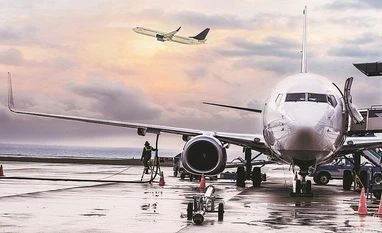 "Pakistan airspace a no-go, airlines in spot over cost of diverting flights")
premium
Explore Business Standard
For Air India and Jet Airways, an airspace closure over Pakistan would mean their flights to the US and Europe will have to take a longer route
COST OF WAR
Already subscribed? Log in
Subscribe to read the full story →

3 Months
₹300/Month
1 Year
₹225/Month
2 Years
₹162/Month
Renews automatically, cancel anytime

Over 30 premium stories daily, handpicked by our editors


News, Games, Cooking, Audio, Wirecutter & The Athletic
Digital replica of our daily newspaper — with options to read, save, and share


Insights on markets, finance, politics, tech, and more delivered to your inbox
In-depth market analysis & insights with access to The Smart Investor


Repository of articles and publications dating back to 1997
Uninterrupted reading experience with no advertisements


Access Business Standard across devices — mobile, tablet, or PC, via web or app
First Published: Feb 28 2019 | 1:25 AM IST


