
Pfizer, Astra shots generate more antibodies than natural infection: Study
People who receive the Pfizer or AstraZeneca COVID-19 vaccine have antibody levels significantly higher than those infected with the SARS-CoV-2 virus, according to a study
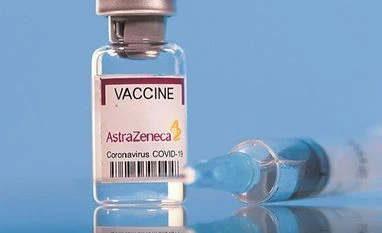 "Pfizer, Astra shots generate more antibodies than natural infection: Study")
WebinarsNew
Deep DiveNew
Explore Business Standard
People who receive the Pfizer or AstraZeneca COVID-19 vaccine have antibody levels significantly higher than those infected with the SARS-CoV-2 virus, according to a study
People who receive the Pfizer or AstraZeneca COVID-19 vaccine have antibody levels significantly higher than those infected with the SARS-CoV-2 virus, according to a study published in Scientific Reports journal on Monday.
A team led by researchers at the University of Montreal in Canada found that these antibodies were also effective against the Delta variant.
In the study, 32 non-hospitalised COVID-19 positive Canadian adults were recruited 14 to 21 days after being diagnosed through PCR testing in 2020, before the Beta, Delta and Gamma variants emerged.
"Everyone who had been infected produced antibodies, but older people produced more than adults under 50 years of age," said Jean-Francois Masson, a professor at the University of Montreal.
"In addition, antibodies were still present in their bloodstream 16 weeks after their diagnosis," Masson said.
Antibodies produced after an infection by the original viral strain also reacted to SARS-CoV-2 variants that emerged in subsequent waves, namely Beta, Delta and Gamma, with a reduction of 30 to 50 per cent in reactivity.
"But the result that surprised us the most was that antibodies produced by naturally infected individuals 50 and older provided a greater degree of protection than adults below 50," said Joelle Pelletier, a professor at the University of Montreal.
"This was determined by measuring the antibodies' capacity to inhibit the interaction of the Delta variant's spike protein with the ACE-2 receptor in human cells, which is how we become infected," he added.
The researchers, however, did not observe the same phenomenon with the other variants.
They noted that when someone who has had a mild case of COVID is vaccinated, the antibody level in their blood doubles compared to an unvaccinated person who has been infected by the virus.
Their antibodies are also better able to prevent spike-ACE-2 interaction, according to the researchers.
"But what's even more interesting is that we have samples from an individual younger than 49 whose infection didn't produce antibodies inhibiting spike-ACE-2 interaction, unlike vaccination," said Masson.
"This suggests that vaccination increases protection against the Delta variant among people previously infected by the native strain," Masson added.
The researchers believe more research should be conducted to determine the best combination for maintaining the most effective level of antibodies reactive to all variants of the virus.
(Only the headline and picture of this report may have been reworked by the Business Standard staff; the rest of the content is auto-generated from a syndicated feed.)
First Published: Nov 08 2021 | 7:36 PM IST


 Connect with us on WhatsApp