Home / India News / Plan prepared to control pollution from 11 drains in Yamuna: Haryana min
Plan prepared to control pollution from 11 drains in Yamuna: Haryana min
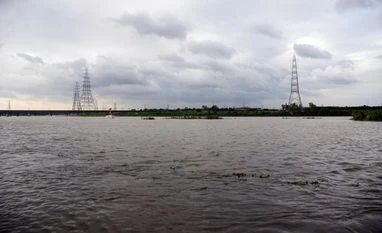
Haryana govt prepared an action plan to control pollution in all the 11 major drains that discharge treated or untreated effluent into the Yamuna river, the state assembly was informed
The Haryana government has prepared an action plan to control pollution in all the 11 major drains that discharge treated or untreated effluent into the Yamuna river, the state assembly was informed here on Wednesday.
"Due to the control of pollution in these drains, the polluted water will not fall into the Yamuna river, from which the Agra and Gurugram canals emerge," Transport Minister Mool Chand Sharma said.
He said this in response to a calling attention motion regarding polluted water in Agra and Gurugram canals.
Sharma informed the House that the Haryana government has constituted a committee in this regard.
The MLAs of Gurugram, Mewat, Faridabad and Palwal districts were made its members and member secretary, Haryana State Pollution Control Board, as Member Convener, the house was informed.
Additional Chief Secretary, Environment, and Principal Secretary, Irrigation, have also been nominated as members.
Five meetings of this committee have been held, he said.
The minister said it is being regularly reviewed at the level of Chief Minister Manohar Lal Khattar and the chief secretary.
He said the action plan involves construction, upgradation of the existing sewage treatment plants, common effluent treatment plants, laying of sewage and interception of sewage from unapproved areas, regular monitoring of water polluting industries by Haryana State Pollution Control Board and taking strict legal actions against such industries.
He further said due to the implementation of this action plan, the water quality of Agra canal has improved in the last few years.
Sharma informed that the Gurugram and Agra canals originate from Yamuna river at Okhla barrage in the Delhi region.
Agra Canal reaches the border of Haryana and Uttar Pradesh near Karman village.
The Gurugram Canal is the major source of irrigation water in Mewat and a large population is adversely affected due to pollution caused by Delhi and Uttar Pradesh.
He said during 2022, Bio-Chemical Oxygen Demand (BOD) in Agra canal on Badarpur border in district Faridabad, in terms of pollutants, the status is between 24 to 32 milligram per litre. This indicates that the river is getting badly polluted in the Delhi region.
(Only the headline and picture of this report may have been reworked by the Business Standard staff; the rest of the content is auto-generated from a syndicated feed.)

 "Plan prepared to control pollution from 11 drains in Yamuna: Haryana min")


 Connect with us on WhatsApp