As Prime Minister Narendra Modi flagged higher fuel prices in many opposition-ruled states including Rajasthan, Chief Minister Ashok Gehlot Wednesday said the PM "by mistake instead of saying Bhopal, mentioned Jaipur" as petrol and diesel cost more in BJP-ruled Madhya Pradesh.
The Congress leader also said Rajasthan government reduced VATs on diesel and petrol on three occasions, which resulted an annual revenue loss of about Rs 6,300 crore "but the PM only mentioned the revenue loss of 6,000 crores of Karnataka and Rs 3500-4000 crores of Gujarat (both states ruled by BJP)".
He claimed the Centre has earned about Rs 26 lakh crore from excise duty in eight years which, he said, is the highest amount earned by any dispensation in the history of the country by imposing tax on petrol and diesel.
The PM talked about VAT levied by states, but did not give information about the excise of the Central government, he said.
The PM in a meeting with CMs earlier in the day had urged states to reduce VAT to benefit of the people. He mentioned names of cities including Jaipur and fuel price there.
After the review meeting, the CM said that Modi alleged that the excise duty was reduced by the Central government but many states did not reduce VAT, due to which the relief was not passed onto people.
"The PM took the name of Jaipur but wanted to give that message only to the BJP-ruled states because even today the prices of petrol and diesel in Bhopal are higher than that in Jaipur. Perhaps by mistake instead of saying Bhopal', he mentioned Jaipur'," he said in a statement.
Gehlot said the Rajasthan government had reduced VAT by two percent on petrol and diesel on January 29, 2021, while the Centre had not reduced the excise duty at that time.
"Two days later in the budget 2021-22, the Government of India imposed a new cess of Rs 4 on diesel and Rs 2.5 per liter on petrol in the name of Agriculture Infrastructure and Development due to which, the people of Rajasthan could not get the benefit of reduction in VAT by 2 percent.
"On 4 November 2021, the central government reduced the excise duty on petrol by Rs 5 and diesel by Rs 10 per liter whereas during the lockdown in May 2020, the government had increased the excise duty on petrol by Rs 10 and diesel by Rs 13 per liter, which means that the amount of excise duty increased in Covid was not even reduced completely, he said.
He said the VAT of the states is levied on the excise duty of the Centre, therefore, by reducing the excise duty, the VAT automatically gets reduced.
For this reason, due to reduction in excise duty on November 4, 2021, the Rajasthan government's VAT automatically reduced by Rs 1.80 per liter on petrol and Rs 2.60 per liter on diesel, he said.
"To give relief to the common man, the state government on November, 17, 2021 reduced VAT on petrol by 4.96 per cent and on diesel by 6.70 per cent. Due to the reduction made thrice by the state, there was a revenue loss of about Rs 6,300 crore per year, but the PM only mentioned the revenue loss of 6,000 crores of Karnataka and Rs 3500-4000 crores of Gujarat," said Gehlot.
He said that Modi probably mentioned these two states in view of the upcoming assembly elections there.
"In May 2014, when Modi became the Prime Minister, excise duty was Rs 9.20 per liter on petrol and Rs 3.46 per liter on diesel, but today excise duty is Rs 27.90 per liter on petrol and Rs 21.80 per liter on diesel. During the UPA government, the states used to get their share of excise duty, but now the share of the states has been continuously reduced to just a few paise per liter so the states are forced to increase their VAT, he said.
During the tenure of Modi government, the average prices of crude oil in the international market has been USD 61 per barrel, even then petrol is being sold at more than Rs 110 and diesel at more than Rs 100 per liter, he said.
During the tenure of the UPA government, the price of crude oil was USD 100 per barrel but, petrol was not allowed to be costlier, he added.

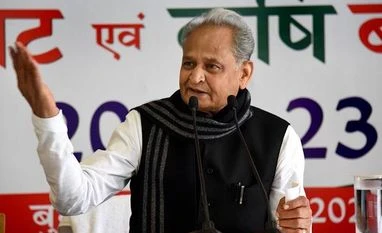 "PM talked about VAT on fuel by states, didn't mention govt excise: Gehlot")


 Connect with us on WhatsApp