
PMO says 551 oxygen generation plants to be set up through PM Cares Fund
As many as 551 dedicated pressure swing Adsorption (PSA) medical oxygen generation plants will be set up inside public health facilities across the country
 "PMO says 551 oxygen generation plants to be set up through PM Cares Fund")
WebinarsNew
Deep DiveNew
Explore Business Standard
As many as 551 dedicated pressure swing Adsorption (PSA) medical oxygen generation plants will be set up inside public health facilities across the country
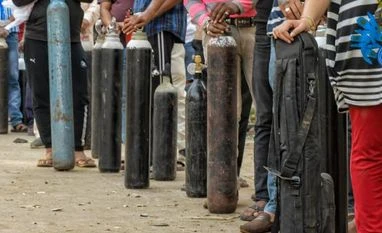
As many as 551 dedicated pressure swing Adsorption (PSA) medical oxygen generation plants will be set up inside public health facilities across the country to boost availability of the life-saving gas amid its shortage in several states battling the COVID-19 surge.
The PMO said on Sunday that the PM Cares Fund has given in-principle approval for allocation of funds for their installation, with Prime Minister Narendra Modi directing these plants should be made functional as soon as possible.
He said these plants will serve as a major boost to oxygen availability at the district level.
These dedicated plants will be established in identified government hospitals in district headquarters in various states and union territories, and their procurement will be done through the Health and Family Welfare ministry.
The PM Cares Fund had earlier this year allocated Rs 201.58 crores for installation of additional 162 dedicated PSA medical oxygen generation plants inside public health facilities in the country, the PMO noted.
It said the basic aim behind establishing PSA oxygen plants at government hospitals in the district headquarters is to further strengthen the public health system and ensure that each of these hospitals has a captive oxygen generation facility.
Such an in-house captive oxygen generation facility would address the day-to-day medical oxygen needs of these hospitals and the district.
In addition, the liquid medical oxygen (LMO) would serve as a top up to the captive oxygen generation, it said.
Such a system will go a long way in ensuring that government hospitals in districts do not face sudden disruption of oxygen supplies and have uninterrupted access to it to manage COVID-19 patients and other sick persons needing such support.
India is struggling with a second wave of the pandemic with more than 3,00,000 daily new coronavirus cases being reported in the past few days, and hospitals in several states are reeling under a shortage of medical oxygen and beds.
Several hospitals in the national capital are grappling with severe shortage of medical oxygen.While some hospitals have managed to make short-term arrangements, there is no immediate end to the crisis in sight.
(Only the headline and picture of this report may have been reworked by the Business Standard staff; the rest of the content is auto-generated from a syndicated feed.)
First Published: Apr 25 2021 | 1:25 PM IST


 Connect with us on WhatsApp