RBI failed to convince govt for supply-side steps to ease inflation: Report

"You should look at this measure as when it gets tough, RBI stands alone now," a source said
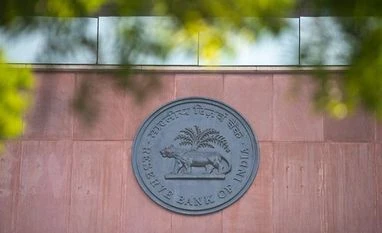
RBI, Reserve Bank of India
Photo: Shutterstock
Press Trust of India
3 min read Last Updated : May 05 2022 | 9:34 PM IST
The RBI's surprise rate hike may have been prompted by its inability to convince the government to cut excise duty on petrol and diesel and take other supply-side measures to tame runaway inflation, sources aware of the central bank's thinking said on Thursday.

There has been a record Rs 10 a litre increase in petrol and diesel prices in a matter of 16 days beginning March 22, which has further fuelled the already high commodity prices.

The RBI, which is mandated to ensure inflation is under 6 per cent, acted with a 0.40 per cent increase in repo rate to check prices before they went completely out of hand.
 
"You should look at this measure as when it gets tough, RBI stands alone now," a source said.
 
The RBI "pleaded, begged, exhorted" the government for measures like a further cut in excise duty on fuels which have a direct impact on inflation, but could not manage a response.
 
It also asked state governments -- which too impose levies, thus further raising fuel prices -- to follow suit but again did not manage to move the needle, the source said.
 
The RBI has said "enough" and now that the time to act has arisen, it will act alone in its fight against inflation, the source said.
The price hikes on fuel began after elections ended in Uttar Pradesh and other states -- ending a lull of nearly three months when there was no review despite increasing global crude prices.
 
Last year, the Centre had cut excise by Rs 5 on petrol and Rs 10 per litre on diesel to curb inflation. BJP-ruled states have also cut excise but many others have not, prompting Prime Minister Narendra Modi to exhort for the same recently.
 
The RBI's six-member Monetary Policy Committee on Wednesday decided to hike the repo rate, at which the central bank lends to the system by 0.40 per cent. It also hiked the cash reserve ratio, or the proportion of deposits parked by banks with it, by 0.50 per cent to suck out Rs 87,000 crore of excess liquidity.

The move is likely to lead to a surge in borrowing costs, which will entail a dent to the growth prospects of the economy coming out of the pandemic.

The source, however, made it clear that the RBI will definitely fulfil its responsibility as the debt manager to the government and ensure that the large Rs 14 lakh crore borrowing programme goes through smoothly. One must not look at the borrowing programme from its quantum alone, but in context of the GDP, the source said, pointing out that it has come down to 5 per cent from being as high as 6.8 per cent.

One subscription. Two world-class reads.

Already subscribed? Log in

Subscribe to read the full story →
*Subscribe to Business Standard digital and get complimentary access to The New York Times

Smart Quarterly

₹900

3 Months

₹300/Month

SAVE 25%

Smart Essential

₹2,700

1 Year

₹225/Month

SAVE 46%
*Complimentary New York Times access for the 2nd year will be given after 12 months

Super Saver

₹3,900

2 Years

₹162/Month

Subscribe

Renews automatically, cancel anytime

Here’s what’s included in our digital subscription plans

Exclusive premium stories online

  • Over 30 premium stories daily, handpicked by our editors

Complimentary Access to The New York Times

  • News, Games, Cooking, Audio, Wirecutter & The Athletic

Business Standard Epaper

  • Digital replica of our daily newspaper — with options to read, save, and share

Curated Newsletters

  • Insights on markets, finance, politics, tech, and more delivered to your inbox

Market Analysis & Investment Insights

  • In-depth market analysis & insights with access to The Smart Investor

Archives

  • Repository of articles and publications dating back to 1997

Ad-free Reading

  • Uninterrupted reading experience with no advertisements

Seamless Access Across All Devices

  • Access Business Standard across devices — mobile, tablet, or PC, via web or app

Topics :RBIRBI PolicyRBI monetary policy

Next Story



