At the end of southwest monsoon 2016, water level in most of India’s 91 major reservoirs, except for those in the South, was at a comfortable level of 117.20 billion cubic metres (BCM), which is 97 per cent of the full capacity available with these reservoirs.
| GREEN SIGNAL |
- The southwest monsoon season 2016 formally ended on Friday, with a deficit of 3 per cent
- Rains in the southern, eastern and north-eastern parts of the country were below the average, with only central India experiencing showers, which were more than the average
- 31 reservoirs in southern India had water level of around 27.05 BCM as on September 29, which was 52 per cent of full capacity
|
This should augur well for the upcoming Rabi harvest, as many of these reservoirs have good irrigation potential. The level seen on September 29 was 122 per cent of the corresponding period last year and 97 per cent of the average storage of the last 10 years. The southwest monsoon season 2016 formally ended on Friday, with a deficit of 3 per cent from the normal. Rains in the southern, eastern and north-eastern parts of the country were below the average, with only central India experiencing showers, which were more than the average.
However, the rains were within the normal range in 80 per cent of the country, while it remained in deficit in the remaining parts that included states like Kerala, Karnataka, Punjab, etc. The latest data from the Central Water Commission showed that 31 reservoirs in southern India had water level of around 27.05 BCM as on September 29, which was 52 per cent of full capacity and just 34 per cent of last year’s level and 76 per cent of the last 10 years. In the 13 reservoirs of North India, the water level as on September 29th was around 13.72 BCM, which was 76 per cent of their full capacity and 86 per cent of last year’s level and 83 per cent of the last 10 years.
The 21 reservoirs of western India, comprising states like Maharashtra and Gujarat, had water level of around 21.75 BCM, which was 80 per cent of their full capacity and 62 per cent of last year’s level and 81 per cent of the last 10 years level. In the eastern parts of the country, the water level in 15 reservoirs as on September 29 was around 21.75 BCM, which was 80 per cent of their total capacity and 62 per cent of last year’s level and 81 per cent of the average level of last 10 years. In the 12 reservoirs of central India, the water level was to the tune of 38.50 BCM, which was 91 per cent of their full capacity.
This level was around 77 per cent of last year’s level and 72 per cent of the average seen in the last 10 years.In other words, at the end of 2016 southwest monsoon season, there were 58 reservoirs of the 91 or 64 per cent, which had water level, which was more than last year, while rest had lower level than 2015.Till September 30, which is the end of the 2016 monsoon season, India had received 862 millimetres of rainfall, as against the normal of 887.5 millimetres.
Central India, comprising states like Madhya Pradesh, Chhattisgarh, etc, received the maximum 6 per cent above normal rains this year. The region got 1034.1 millimetres of rainfall, as against a seasonal normal of 975.5 millimetres.
The good rains in July and part of August pushed India’s Kharif sowing to record highs, with area under pulses leading the way with almost 30 per cent rise in acreage.

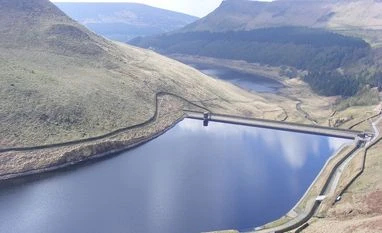 "Reservoir level at 97% of capacity on good rains")


 Connect with us on WhatsApp