'Save the planet': As WEF returns, here is what Davos is talking about

A Business Standard analysis found that infrastructure and saving the planet are the key features of WEF going into the summit
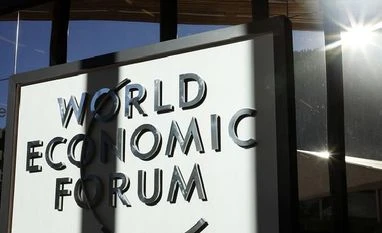
WEF
(Photo: Bloomberg)
Ishaan Gera
2 min read Last Updated : May 17 2022 | 9:31 AM IST
After a hiatus of two years, the World Economic Forum is set to return to Davos this year. The annual meeting will start on Sunday, May 22 and will end on May 26. The conference comes at a time when Russia and the US are at loggerheads over the Ukraine war, and the world, especially Europe, is on tenterhooks. Moreover, the threat of Covid-19 is not over yet, as the virus has not entered the endemic stage.

While the WEF 2022 was set up as a forum to discuss global issues, the Davos summit has come under attack for ignoring issues like the environment.

A Business Standard analysis found that the meeting agenda has also undergone rapid change in the last few years. An analysis of publications by the World Economic Forum shows that 53.5 per cent of the articles/reports published by the World Economic Forum in the last one month had the title of “How to save the planet”, 20.9 per cent fell under the “infrastructure resilience" category and 9.3 per cent under the “future of economy" category.


Moreover, while the share of article/report contributions from WEF increased for the “how to save the planet” category from 46.9 per cent two years ago, for the healthy futures category, the number of articles declined from 8.5 per cent of total articles published in the last two years to 5.1 per cent over the previous one month.

The WEF has published nearly 5,811 articles in the last 24 months as per WEF Live data.


Further analysis shows that across publications from all sources—including WEF, its partners and articles/reports where WEF was mentioned—"how to save the planet" was the most covered topic by the media, with 191,651 articles written in the last two years. This category accounted for 30.1 per cent of reports. But in the previous month, its share had declined to 29.1 per cent.


The share of geopolitics and healthy futures increased as per media articles.

The stark divide between what WEF is publishing and what media perceives to be topics of concern shows the disconnect that WEF will have to address in the future.

One subscription. Two world-class reads.

Already subscribed? Log in

Subscribe to read the full story →
*Subscribe to Business Standard digital and get complimentary access to The New York Times

Smart Quarterly

₹900

3 Months

₹300/Month

SAVE 25%

Smart Essential

₹2,700

1 Year

₹225/Month

SAVE 46%
*Complimentary New York Times access for the 2nd year will be given after 12 months

Super Saver

₹3,900

2 Years

₹162/Month

Subscribe

Renews automatically, cancel anytime

Here’s what’s included in our digital subscription plans

Exclusive premium stories online

  • Over 30 premium stories daily, handpicked by our editors

Complimentary Access to The New York Times

  • News, Games, Cooking, Audio, Wirecutter & The Athletic

Business Standard Epaper

  • Digital replica of our daily newspaper — with options to read, save, and share

Curated Newsletters

  • Insights on markets, finance, politics, tech, and more delivered to your inbox

Market Analysis & Investment Insights

  • In-depth market analysis & insights with access to The Smart Investor

Archives

  • Repository of articles and publications dating back to 1997

Ad-free Reading

  • Uninterrupted reading experience with no advertisements

Seamless Access Across All Devices

  • Access Business Standard across devices — mobile, tablet, or PC, via web or app

Topics :World Economic ForumDavos

Next Story



