The discovery comes as Queensland prepares to finally reopen its border to the rest of Australia ahead of schedule next Monday, as more than 80% of the eligible population will be fully vaccinated later this week.
The discovery may be a setback for scientists racing to understand the full impact of the omicron variant, including how virulent the strain is and whether vaccines are effective at reducing risk of severe disease. Although most genetic changes are innocuous as viruses mutate, some can make the mutant more adept at infecting cells, for example, or evading antibodies.
The new lineage has about half, or 14, of the genome mutations of the conventional omicron variant and doesn’t have the s-gene dropout feature, making it harder to track through PCR testing, Aitken said. The discovery is “going to lead to improvements in people recognizing potential spread of omicron in all communities,” he said.

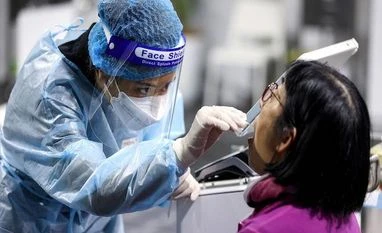 "Scientists discover harder-to-detect version of Omicron in Australia")










 Connect with us on WhatsApp