The first outright open market operation (OMO) of this fiscal year by the Reserve Bank of India (RBI) received bids of more than five times the Rs 20,000 crore amount on offer.
The central bank received bids for Rs 1.13 trillion, while it accepted bids of up to Rs 20,000 crore buying four securities. This was the first outright OMO of this fiscal year, as the central bank had cancelled one OMO of Rs 10,000 crore in September.
On Thursday’s OMO, the RBI accepted Rs 6,600 crore of a bond maturing in six years, Rs 5,177 crore in an eight-year bond, Rs 3,475 crore in 10-year bonds, and Rs 4,748 crore in a bond maturing in 2033. There was no security-wise limit on bonds. The cut-off for the 10-year bond came at 5.89 per cent. The 10-year bond was the old benchmark, issuance for which was stopped after just three months.
“The OMO response was good and the RBI’s acceptance was encouraging. The disconnect between the markets and the RBI has been addressed to a large extent after the policy, and there is no reason why the remaining borrowing programme cannot be done at lower than 6 per cent yields,” said a senior bond dealer with a foreign bank.
The cut-off yields were “little bit lower than expected, but the acceptance of the full amount in itself is a success”, said Devendra Dash, head of asset-liability management at AU SFB.
The RBI had doubled the OMO size to Rs 20,000 crore during the monetary policy on October 9. The RBI governor took the policy platform to engage in a lengthy message to the bond market to cooperate with the borrowing programme, and the central bank would be there with all kinds of support that was needed.
However, the RBI in the past had devolved four 10-year bond auctions and cancelled one OMO to force the market to keep yields under 6 per cent.
At the same time, the central bank continued purchasing bonds anonymously from the primary dealers to compensate them for devolvement of bonds and to keep yields under check. So far this fiscal year, the RBI has purchased about Rs 2 trillion of bonds, most of it anonymously, but its refusal to sell bonds at the market yields and cancellation of OMOs perplexed the markets.
However, post the monetary policy, the yields fell rapidly as the central bank assured of ample liquidity support. The 10-year bond yield closed at 5.89 per cent, from its pre-policy level of over 6 per cent.

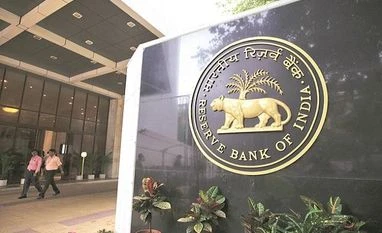 "Bond market cheers as RBI accepts full Rs 20,000 cr in first outright OMO")












