Centre seeks info from embassy on Iran's bar on rice, tea imports

'As of now, there has been no confirmation from the authorities and the response from the embassy in Tehran is also taking time'
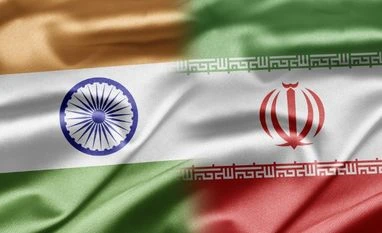
Iran, India, flag Iran India
The development is crucial, considering that Iran is India’s key export market for basmati rice and high quality tea
Shreya NandiSanjeeb Mukherjee New Delhi
2 min read Last Updated : Dec 07 2022 | 8:10 PM IST
The department of commerce has urged the agriculture ministry as well as the diplomatic mission in Tehran to apprise it of details as to why Iranian buyers have stopped import of rice and tea from India, a senior government official said.

Exporters said that exports of items such as high quality tea and rice have stopped since last week.

As of now, there has been no confirmation from the authorities and the response from the embassy in Tehran is also taking time, they said.

“This has been a big concern since India exports high quality orthodox tea to Iran in big quantities. Assam orthodox tea goes to Iran in high volume. There is a huge demand for Indian tea in the Iran market.

We have reached out to the department of commerce, DGFT and the embassy in Tehran. We want to understand why buyers have suddenly stopped purchasing tea and rice from India,” said Sujit Patra, secretary (exports), Indian Tea Association.

“Market reports say that Iran’s agriculture ministry has stopped order registration of proforma.

Before importing, a buyer has to get a proforma registration issued from Iran’s agriculture ministry.

Since issuance of the proforma has stopped, Iran’s Customs will not allow any ship to call at any Iran port. So, Indian exporters are not able to send tea consignments to Iran,” Patra added.

The development is crucial, considering that Iran is India’s key export market for basmati rice and high quality tea.

A fifth of India's total outbound shipment of tea is sent to Iran.

Rice exporters said that disruption in trade has been triggered by anti-hijab protests in Iran. As a result, Iranian buyers have been defaulting on payment obligations and are placing fresh orders, they said.

Similarly, in the case of basmati rice, a fourth of the total exports from India went to Iran during the last financial year.

Top Indian exports to Iran include rice, tea, sugar, fresh fruits, pharmaceuticals, soft drinks, industrial machinery and boneless bovine meat, among others.

During April-September, bilateral trade between India and Iran stood at $1.3 billion, with exports at $1 billion and imports at $306 million. Total trade increased by 59.9 per cent compared to the previous year.


One subscription. Two world-class reads.

Already subscribed? Log in

Subscribe to read the full story →
*Subscribe to Business Standard digital and get complimentary access to The New York Times

Smart Quarterly

₹900

3 Months

₹300/Month

SAVE 25%

Smart Essential

₹2,700

1 Year

₹225/Month

SAVE 46%
*Complimentary New York Times access for the 2nd year will be given after 12 months

Super Saver

₹3,900

2 Years

₹162/Month

Subscribe

Renews automatically, cancel anytime

Here’s what’s included in our digital subscription plans

Exclusive premium stories online

  • Over 30 premium stories daily, handpicked by our editors

Complimentary Access to The New York Times

  • News, Games, Cooking, Audio, Wirecutter & The Athletic

Business Standard Epaper

  • Digital replica of our daily newspaper — with options to read, save, and share

Curated Newsletters

  • Insights on markets, finance, politics, tech, and more delivered to your inbox

Market Analysis & Investment Insights

  • In-depth market analysis & insights with access to The Smart Investor

Archives

  • Repository of articles and publications dating back to 1997

Ad-free Reading

  • Uninterrupted reading experience with no advertisements

Seamless Access Across All Devices

  • Access Business Standard across devices — mobile, tablet, or PC, via web or app

Topics :India Iranrice exportTea ExportsTehrantea marketsTea firmsDGFT rulesDGFTIran economy

Next Story



