With the outbreak of coronavirus causing panic in global financial markets, Indian exporters see a reason to worry if the virus is not tamed soon. The real impact of trade can be gauged after February 8, when the Chinese Lunar Year holidays end. But despite the direct hit to trade with China, the Indian industry may get to fill the gap left by Chinese traders.
Fertiliser firms stand to gain
Fertilisers and organic chemicals, along with plastic materials are among the top five items in the list of imports from China.
The outbreak of the virus could hit India’s non-urea or diammonium phosphate fertiliser imports. A fertiliser analyst with a large foreign broking house, however, said that domestic firms making these will be at an advantage.
Apparel traders wait and watch
A leading apparel exporter said that in 2003, when SARS virus hit China, which later spread to 17 countries, it did not lead to significant damage. “This time, it could be a cause for worry if the situation doesn’t come under control and continues for a longer time,” the official said. A South India-based textiles company executive said, “We have to see whether any order can be placed there (in China) in near future.”
Cotton exports going strong
Last year, India exported 800,000-900,000 bales of cotton to China. In the first four months of the cotton year (October-January), 600,000-700,000 bales were shipped to China. Exporters also have orders worth 300,000 bales. One player had decided to stop exports to China. But Atul Ganatra, president, Cotton Association of India, said it was a one-off case and there is no panic as of now.
Coffee exports may be hit
Coffee exports to China are set to fall. Ramesh Rajah, president, Coffee Exporters Association, said it will have some impact on coffee consumption in China, leading to lower demand.
Two leading global retail coffee chains have temporarily closed over 2,000 coffee shops. India exports $336 million (April-November 2019) worth of coffee, including tea and spices to China.
Leather sector hopes to gain
India exports $223 mn of leather tanning and dyeing extracts, while its import of these items from China is worth $394 mn. If China’s exports of these items in the global market are impacted, the domestic industry can look to gain by filling up this vacuum. However, the gain is yet to be quantified by the industry, Small Tanners’ Association member Nayyar Jamal said.
Read this article for free
Register to continue reading premium journalism and analysis from Business Standard.

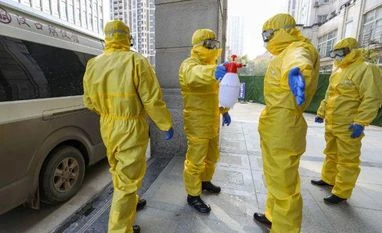 "Coronavirus: Indian industry may get to fill gap left by Chinese traders")












 Connect with us on WhatsApp