Home / Economy / News / Covid-19 defaulters can use MSME pre-packaged insolvency scheme
Covid-19 defaulters can use MSME pre-packaged insolvency scheme
The detailed rules of the scheme specifying the minimum threshold of default will be notified soon
premium
The detailed rules and regulations of the scheme which would specify the minimum threshold of default for companies eligible to go for pre-packaged scheme is in the works
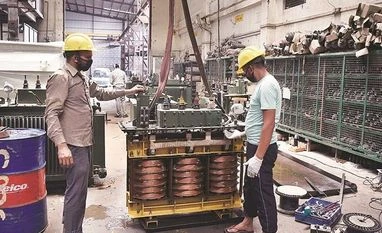
Micro, small, and medium enterprises (MSMEs) will be able to use the pre-packaged insolvency scheme for Covid-related default, which was exempt from the corporate insolvency resolution process, a senior government official said.
The pre-packaged scheme that has been introduced through an ordinance by the ministry of corporate affairs will also provide lessons to the government on increasing the scope of the provision to companies other than MSMEs. “The focus is now on MSMEs, which have a very unique character. Depending on this experience and how it is rolled out and availed by companies, we could think at a later stage whether to extend it to other companies,” the senior official said.
The ministry is also expecting the Securities Exchange Board of India to extend exemptions related to takeover code, delisting regulations to the companies acquired through the prepackaged scheme. Similar exemption from these rules is currently available to companies acquired through corporate insolvency resolution process. The detailed rules and regulations of the scheme which would specify the minimum threshold of default for companies eligible to go for pre-packaged scheme is in the works and is likely to be introduced by the end of this month, according to government officials.
While the ministry does not plan to have dedicated benches of NCLT yet for IBC, it plans to take steps to strengthen the capacity by filling empty posts, digitisation and e-courts.
There are 22 positions vacant in NCLT.
“We will assess capacity for speedier disposal of cases. Strengthening the NCLT framework was announced in the Budget as well. We will take necessary steps,” the senior official said.
A pre-packaged scheme is an arrangement by which the promoter of the stressed company proposes a resolution plan to the creditors before the company goes to bankruptcy proceedings. The purpose of this scheme is not just to have a timely and faster resolution mechanism but also to give legal sanction to a plan agreed upon between banks, promoters, and the buyer.
The government has given a semi-formal structure to the pre-insolvency stage through the pre-packaged scheme. Experts said a significant advantage of a pre-packaged process is that being a debtor-initiated process, it is expected to involve fewer legal disputes and a faster resolution.
The debtor-in-possession model for this scheme would make the control of the company remain with the board of directors or the partners, unless there is some fraudulent activity or evidence of gross mismanagement of company affairs.
This is part of various checks and balances that have been put in place in the amended law to make sure creditors do not get the short end of the deal. With two-thirds majority, the committee of creditors can approve a plan and can also decide to terminate the process or take the company to corporate insolvency resolution.
Read this article for free
Register to continue reading premium journalism and analysis from Business Standard.

 "Covid-19 defaulters can use MSME pre-packaged insolvency scheme")












 Connect with us on WhatsApp