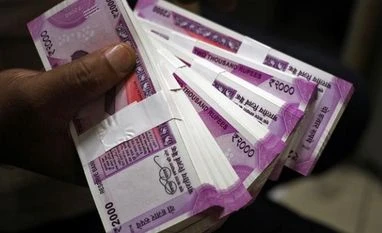
With the Reserve Bank of India (RBI) imposing an incremental cash reserve ratio (CRR) of 100 per cent on all deposits between September 16 and November 11, 2016, banks may have to potentially bear additional costs to the tune of Rs 18,110 crore annually, according to CARE Ratings.
The incremental deposits with banks during this window, September 16 and November 11, were roughly Rs 3.24 lakh crore. Assuming that the distribution of these funds across demand, savings and time deposits remains the same as before, then banks are likely to incur costs of around Rs 3,110 crore on savings deposits, on which they pay four per cent annually and Rs 15,000 crore on time deposits, which CARE assumes are charged at the rate of 6.9 per cent annually. This adds up to Rs 18,110 crore of additional annual costs to banks.
Under normal circumstances, when banks would have a leeway to deploy these deposits as they pleased, their potential earnings could have risen by roughly Rs 25,205 crore, offsetting the costs they would have incurred. Of the potential Rs 25,205 crore increase in earnings, Rs 5,615 crore would come from returns on government-securities investments at 6.3 per cent, with the balance Rs 19,590 crore coming from lending.
In a bind
Thus, the difference between earnings from these incremental deposits and the costs incurred would have been roughly Rs 7,100 crore in normal circumstances. But, as of now, the outflow is likely to be Rs 18,110 crore annually. Though it is quite possible that actual earnings may have been lower as both G-Sec yields and returns from lending might have been lower with changes in the yield curve.
While analysts expect these measures to be temporary, much depends on how the liquidity situation evolves over the coming months. Greater clarity is expected from the next monetary policy meeting scheduled for December 7.

 "CRR diktat may cost banks Rs 18,000 crore more annually")

