DoT open to expand list of offences in draft telecom Bill, say officials

Growing international focus on India's fast growing tele-scammers has led govt to specifically focus on call-based frauds and scams, sources say
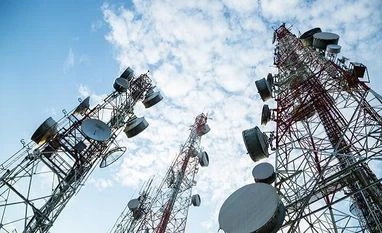
Telecom
Photo: Shutterstock
Subhayan Chakraborty New Delhi
3 min read Last Updated : Sep 26 2022 | 11:43 PM IST
The Department of Telecommunications (DoT) is open to suggestions from the private sector to expand the list of recognised offences (Schedule 3) in the draft telecom Bill, but it is not keen on reducing the penalties, officials have said.

“The government believes that punitive action in the form of fines is necessary in certain types of fraud that have risen sharply in the past few years. Subsequently, the draft Bill has listed the penalties for these,” an official said, adding that the DoT will now wait for any suggestion from the private sector on the list of offences.

Officials, however, hinted that the hefty penalties prescribed in the draft Bill will stay.

Schedule 3 in the draft Bill lists eight broad categories of offences that include providing telecommunication service or establishing networks without a licence, gaining unlawful access to telecom networks, contraventions detrimental to national security, and possessing equipment that blocks telecommunication.

Scam callers targeted

However, while stakeholder comments will be considered for all of these offences, the government is more interested in combating a different set of offences, people in the know said. Based on existing data with the government, most complaints of call-based scams and frauds can be classified under two particular offences in Schedule 3 — misrepresentation of identity and impersonation of officials from telecom companies, officials said.

While these remain bailable offences, the draft Bill has recommended hefty fines in each case. Misrepresentation of identity can lead to imprisonment for up to one year, or fine up to Rs 50,000, or suspension of telecommunication service, the draft Bill says. Meanwhile, impersonating officials can lead to imprisonment for up to three years, or a fine up to Rs 50 lakh, or suspension of telecommunication service, or a combination of all three.

Apart from the fact that the high instance of such offences requires immediate government response, sources said the government’s focus on call-based scams and frauds is due to the bad press India has received internationally on these matters.

According to data from Truecaller, India has the fourth highest instance of spam calls, while the country has gained increasing notoriety as a hub for tele-scammers. Over the past two years, foreign ethical hackers have repeatedly informed Indian law enforcement authorities of details of large-scale scammer operations based out of Gurugram, Kolkata and Mumbai. Operating under fake business registrations, these entities run huge call centres with hundreds of employees, often targeting senior citizens in the United States and Europe through elaborate scams.

Under measures for the protection of users, the draft Bill has aimed to curb the volume of “specified messages” or those offering, advertising or promoting goods, services, interest in property, business opportunity, etc. from being directed at telecom users.

“The creation of an updated do-not-disturb registry and better monitoring guidelines to weed out scam calls will reduce this problem. But consultations with service providers would have to be undertaken since much of this push would be on their end,” the official said. Violation of do-not-disturb guidelines only attracts a fine as of now in the draft Bill, while compounding or settlement in lieu of criminal proceedings is allowed.

Lens on calls
  • Most complaints of call-based scams and frauds can be classified under 2 offences in Schedule 3 of Bill — misrepresentation of identity & impersonation of officials from telcos
  • While these remain bailable offences, the draft Bill has approved hefty fines in each case

One subscription. Two world-class reads.

Already subscribed? Log in

Subscribe to read the full story →
*Subscribe to Business Standard digital and get complimentary access to The New York Times

Smart Quarterly

₹900

3 Months

₹300/Month

SAVE 25%

Smart Essential

₹2,700

1 Year

₹225/Month

SAVE 46%
*Complimentary New York Times access for the 2nd year will be given after 12 months

Super Saver

₹3,900

2 Years

₹162/Month

Subscribe

Renews automatically, cancel anytime

Here’s what’s included in our digital subscription plans

Exclusive premium stories online

  • Over 30 premium stories daily, handpicked by our editors

Complimentary Access to The New York Times

  • News, Games, Cooking, Audio, Wirecutter & The Athletic

Business Standard Epaper

  • Digital replica of our daily newspaper — with options to read, save, and share

Curated Newsletters

  • Insights on markets, finance, politics, tech, and more delivered to your inbox

Market Analysis & Investment Insights

  • In-depth market analysis & insights with access to The Smart Investor

Archives

  • Repository of articles and publications dating back to 1997

Ad-free Reading

  • Uninterrupted reading experience with no advertisements

Seamless Access Across All Devices

  • Access Business Standard across devices — mobile, tablet, or PC, via web or app

Topics :TelecomDepartment of Telecommunications

Next Story



