Double whammy for RBI: Retail inflation surges, IIP contracts
Markets expect third rate hike in four months; Rajan says some trade-offs have to be made
BS Reporter New Delhi/ Kolkata The possibility of a third interest rate increase in four months looms, with the country's battle with inflation and weak economic growth becoming more challenging. Two sets of data released on Thursday showed a sharp spike in retail inflation and a worse-than-expected contraction in industrial production.
Market players expect the central bank to increase the repo rate by at least 25 basis points to eight per cent - exactly the level at the beginning of this year.
Mainly driven by high vegetable prices (food prices soared by an annual 14.72 per cent), the retail inflation rate accelerated to an all-time high of 11.24 per cent in November (from 10.17 per cent the previous month), making the Reserve Bank of India's (RBI's) mission to cool prices without hobbling chances of a rebound more difficult.
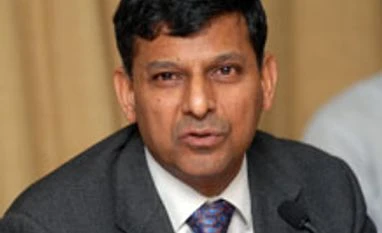
The dilemma was evident when Governor Raghuram Rajan said after RBI's board meeting in Kolkata that the economy was weaker than the central bank would like, while inflation was above its tolerance level and some trade-offs needed to be made.
"We are very uncomfortable with the current level of inflation. I said that at 10.1 (per cent) and I will again say it at 11.24 (per cent)," Rajan said after the government released the inflation data.
He added: "We will analyse all data. Clearly, growth is weaker than we would like, inflation is higher than we would like... In a situation where you have high inflation and low growth, you have to calibrate policy carefully."
Industrial output, on the other hand, punctured any hope of economic recovery in the second half of the financial year. The Index of Industrial Production (IIP) declined to a four-month low of 1.8 per cent in October, despite festival-related demand, compared with two per cent growth in September. Part of the decline could be attributed to a 15-month-high growth (8.4 per cent) seen in industrial output in the same month last year.
All eyes are now on the wholesale inflation data, to be released on Monday. The Wholesale Price Index (WPI) -based inflation rate had risen to seven per cent in October - higher than RBI's comfort level of five per cent - from 6.46 per cent the previous month. Any uptick in headline inflation numbers would make a rate increase in Wednesday's mid-quarter monetary policy review inevitable.
Since joining Mint Road in September, Rajan has raised the repo rate twice, by 25 bps each, to rein in inflation. The rate is currently at 7.75 per cent.
For market participants, however, the idiom has shifted from whether a rate hike will come to how much will the rate hike be. "RBI will have to acknowledge that the inflation trajectory has surpassed its expectations. We are expecting a further hike of 25 basis points in repo rate on Wednesday," said Samiran Chakraborty, managing director & regional head of research (South Asia Global Research), Standard Chartered Bank.
C Rangarajan, the chief economic advisor to the prime minister, however, tried to apply some balm. He expected food prices to start coming down by December. That view matches signals from wholesalers, who have said supplies of onions are rising in the main producer states.
The rupee, which has slid 12 per cent in the past 12 months, on Thursday weakened 0.9 per cent to 61.83 a dollar. The BSE Sensex fell 1.2 per cent, while the yield on the 10-year government bond maturing November 2023 rose to 8.85 per cent from 8.83 per cent on Wednesday. The inflation and IIP data were released after close of trading for the day.

 "Double whammy for RBI: Retail inflation surges, IIP contracts")

