
Exempt P-note maturities from GAAR: ASSOCHAM
Says it was common for investors to gain economic exposure in Indian securities through P-notes
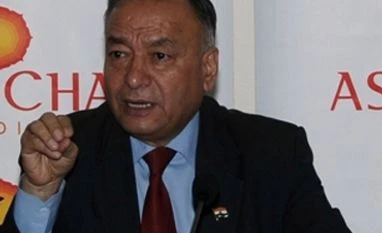 "Exempt P-note maturities from GAAR: ASSOCHAM")
WebinarsNew
Deep DiveNew
Explore Business Standard
Says it was common for investors to gain economic exposure in Indian securities through P-notes
The General Anti-Avoidance Rules (GAAR) provisions should not apply to a foreign portfolio investor (FPI) on redemption and maturity of participatory notes, industry body Assocham said on Wednesday.
In a memorandum to the Finance Ministry, Assocham pointed out that it was common for investors to gain economic exposure in Indian securities through P-notes.
They asked the government to clarify that GAAR provisions will not apply to an FPI on redemption or maturity of P-notes.
"We believe that the existence of a P-note arrangement or status of underlying Indian position referencing P-notes or passing of economic benefits to P-note holders should not be the criteria for evaluating commercial substance at the FPI level.
GAAR is a set of rules designed to give Indian authorities the right to scrutinize and tax transactions which they believe are structured solely to avoid taxes.
At the present juncture, global equity investors have been showing quite a bit of interest in the Indian market, said Assocham Secretary General D S Rawat.
GAAR, which was originally to be implemented from April 1, 2014, will now come into effect from April 1 next year.
Besides other things, GAAR contains provision allowing the government to prospectively tax overseas deals involving local assets.
"We would like this interest to stay and need to do all that is required to sustain their confidence," Rawat said.
The industry body added that GAAR provisions should not apply to shares issued post March 31, 2017 on conversion of compulsorily convertible preference shares (CCPS), where the CCPS were acquired prior to April 1, 2017.
"This is because no fresh investments are made on conversion of CCPS into equity shares. There is merely a change in the form of investments," it said.
GAAR was introduced in Budget 2012-13 by the then Finance Minister Pranab Mukherjee with a view to check tax evasion and avoidance. However, its implementation was repeatedly postponed because of the apprehensions expressed by foreign investors.
First Published: Jul 13 2016 | 7:28 PM IST


 Connect with us on WhatsApp