Factory growth rebounded in July, hiring resumed after 15 months: PMI

The Manufacturing Purchasing Managers' Index, compiled by IHS Markit, jumped to 55.3 last month from 48.1 in June, well above 50-level separating growth from contraction.
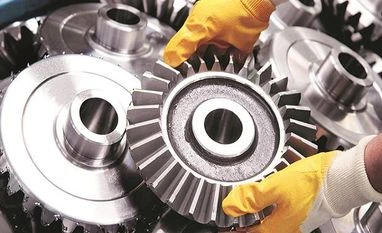
gear line, manufacturing, economy, growth, PMI
Reuters Bengaluru
2 min read Last Updated : Aug 02 2021 | 10:45 AM IST
Factory activity in India bounced back in July as demand surged both at home and abroad, prompting companies to create new jobs for the first time since the onset of the pandemic, a private sector survey showed on Monday.

The Manufacturing Purchasing Managers' Index, compiled by IHS Markit, jumped to 55.3 last month from 48.1 in June, well above 50-level separating growth from contraction.

"Output rose at a robust pace, with over one-third of companies noting a monthly expansion in production, amid a rebound in new business and the easing of some local COVID-19 restrictions," said Pollyanna De Lima, economics associate director at IHS Markit.

India grappled with a devastating second wave of coronavirus infections in April and May but falling case numbers have allowed many restrictions to be eased.

The country is still reporting more than 40,000 cases per day, taking the total number of infections to around 31.6 million, but the economic re-opening induced higher demand and sales, leading to a sharp expansion in output.

New export orders grew at the fastest rate since April.

Employment rose for the first time since March 2020, breaking a 15-month chain of job shedding. However, the pace of hiring was mild, indicating a job crisis is still evident.

Growth in Asia's third-largest economy could lose momentum, with new coronavirus variants posing the biggest risk to already weakened forecasts, while inflation was expected to rise, a recent Reuters poll showed.

A lack of raw material availability and higher freight fees drove input costs higher, though the pace was at a seven-month low.

Despite higher input costs, output charges rose only slightly, suggesting companies absorbed the extra cost burden to boost sales and stay competitive.

"With firms' cost burdens continuing to rise, however, and signs of spare capacity still evident, it's too early to say that such a trend will be sustained in coming months," added De Lima.

The Reserve Bank of India is not expected to raise interest rates until next fiscal year on predictions inflation remains within its target band of 2%-6% this year.

One subscription. Two world-class reads.

Already subscribed? Log in

Subscribe to read the full story →
*Subscribe to Business Standard digital and get complimentary access to The New York Times

Smart Quarterly

₹900

3 Months

₹300/Month

SAVE 25%

Smart Essential

₹2,700

1 Year

₹225/Month

SAVE 46%
*Complimentary New York Times access for the 2nd year will be given after 12 months

Super Saver

₹3,900

2 Years

₹162/Month

Subscribe

Renews automatically, cancel anytime

Here’s what’s included in our digital subscription plans

Exclusive premium stories online

  • Over 30 premium stories daily, handpicked by our editors

Complimentary Access to The New York Times

  • News, Games, Cooking, Audio, Wirecutter & The Athletic

Business Standard Epaper

  • Digital replica of our daily newspaper — with options to read, save, and share

Curated Newsletters

  • Insights on markets, finance, politics, tech, and more delivered to your inbox

Market Analysis & Investment Insights

  • In-depth market analysis & insights with access to The Smart Investor

Archives

  • Repository of articles and publications dating back to 1997

Ad-free Reading

  • Uninterrupted reading experience with no advertisements

Seamless Access Across All Devices

  • Access Business Standard across devices — mobile, tablet, or PC, via web or app

Topics :Jobs in ManufacturingPMI ManufacturingIndia economy

Next Story



