Farm loan waivers may harm fiscal discipline; stoke inflation: RBI

In April, the Uttar Pradesh government had waived farm loans worth Rs 36,000 crore
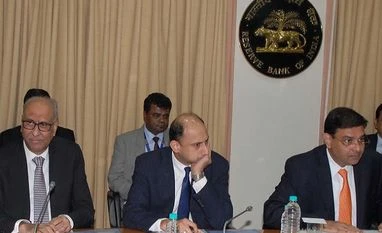
RBI Deputy Governors, S S Mundra (left) and Viral V Acharya (Centre) with RBI Governor Urjit Patel during a press conference of RBI monetary policy in Mumbai on Wednesday. Photo: Kamlesh Pednekar
Abhijit Lele Mumbai
Last Updated : Jun 08 2017 | 2:08 AM IST
The Reserve Bank of India (RBI) on Wednesday warned that large-scale farm loan waivers by state governments will severely harm the country’s fiscal health and may spur inflation.

RBI Governor Urjit Patel said unless state governments’ budgets allow that fiscal space to go in for a loan waiver, it would be risky to tread on that path.

The risk of fiscal slippages, which by and large can lead to inflation, has risen with the announcements of large farm loan waivers. The risk of going down the "slippery path" of waiver could dissipate the important gains that the states made in fiscal rectitude over the past two-three years, Patel said addressing media after second monetary policy review for FY18.

Early this month, the Maharashtra government announced loan waivers in the state for small and marginal farmers. It plans to implement the waiver before October 31. With this decision, about 10.7 million farmers with less than five acres of land would be eligible for benefits. The fiscal burden of the scheme is estimated at Rs 30,000 crore. 

In April, the Uttar Pradesh government had waived farm loans worth Rs 36,000 crore.

Like the RBI, the National Bank for Agriculture and Rural Development (Nabard) has also flagged adverse effects of waving off credit. There should not be omnibus waivers and such schemes should be designed only for the needy, the Nabard had said in April.

Farmers in Madhya Pradesh, too, have been agitating since June 1, seeking loan waivers, higher minimum support prices and other benefits. There has been a clamour for similar schemes in other states such as Haryana and Tamil Nadu. 

One subscription. Two world-class reads.

Already subscribed? Log in

Subscribe to read the full story →
*Subscribe to Business Standard digital and get complimentary access to The New York Times

Smart Quarterly

₹900

3 Months

₹300/Month

SAVE 25%

Smart Essential

₹2,700

1 Year

₹225/Month

SAVE 46%
*Complimentary New York Times access for the 2nd year will be given after 12 months

Super Saver

₹3,900

2 Years

₹162/Month

Subscribe

Renews automatically, cancel anytime

Here’s what’s included in our digital subscription plans

Exclusive premium stories online

  • Over 30 premium stories daily, handpicked by our editors

Complimentary Access to The New York Times

  • News, Games, Cooking, Audio, Wirecutter & The Athletic

Business Standard Epaper

  • Digital replica of our daily newspaper — with options to read, save, and share

Curated Newsletters

  • Insights on markets, finance, politics, tech, and more delivered to your inbox

Market Analysis & Investment Insights

  • In-depth market analysis & insights with access to The Smart Investor

Archives

  • Repository of articles and publications dating back to 1997

Ad-free Reading

  • Uninterrupted reading experience with no advertisements

Seamless Access Across All Devices

  • Access Business Standard across devices — mobile, tablet, or PC, via web or app

Next Story



