Finance Ministry for cap on gas prices
Ministry said a ceiling on the gas price is necessary to protect the interests of govt/consumers in case of an unreasonable upswing in the prices
Press Trust of India New Delhi The Finance Ministry has strongly pitched for putting a cap or limit to which natural gas rates can be increased following a new pricing formula that will come into effect from April 1.
The ministry said a ceiling on the gas price is necessary to protect the interests of government/consumers in case of an unreasonable upswing in the prices.
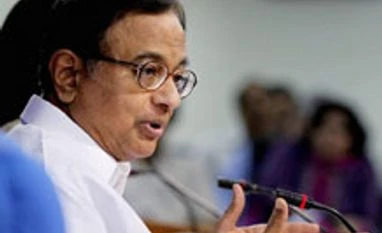
The comments, issued with the approval of Finance Minister P Chidambaram, were in response to a draft Cabinet note from the Oil Ministry seeking to allow higher gas price to Reliance Industries if it submits a bank guarantee for the unmet supply commitment from its KG-D6 block.
Sources with direct knowledge of the development said the Finance Ministry, which had on July 4 and September 26 favoured a cap on gas price, reiterated the position early this month saying that gas producers can't be allowed to reap unlimited gains in the case of an upswing in global prices.
Any such upside has to be capped, it said.
Capping the price of natural gas is in line with the existing policy, the ministry said, adding that the current price was a variable one with an upper limit of $4.2.
"In fact, the previous price of $4.2 per million British thermal unit was subject to a cap (cap would come in force once the crude price exceeded $60 per barrel), and therefore, there is no ambiguity as to whether the price ceiling is permissible under the PSC," it said.
The Cabinet had in June decided to price all domestically produced natural gas at an average of the price prevailing at international gas trading hubs and the actual cost of importing liquefied natural gas (LNG).
The pricing formula will be effective April 1, 2014 for a period of five years, with the price being revised quarterly.
Prices for each quarter will be calculated based on the 12-month trailing average price with a lag of one quarter (i.E. Price for April to June 2014 will be calculated based on the average for 12 months ended December 31, 2013).
Using the approved formula, the prices are estimated at $8.2-8.4, nearly double the current price of $4.20.
However, this formula was not notified as the Finance Ministry wanted that RIL be denied a higher gas prices from its existing fields because output had fallen far below what was committed in the approved development plan.
Initially, the Oil Ministry agreed with the suggestion but last month it moved a revised note suggesting that RIL be asked to give bank guarantee which can be encashed if it was proved that the company had hoarded gas by deliberately keeping output low.
The Finance Ministry has in-principle agreed to the bank guarantee proposal.
Sources said the Finance Ministry was of the view that since gas is used as feedstock in fertiliser industries and was a raw material for power sector for which the government is bearing subsidy, any upswing buoyed by international volatility in the gas price will add to the subsidy burden of the government.
And this financial burden, it felt, needs to be curtailed by putting a cap on the gas price to have financial stability.
The Finance Ministry states that a ceiling would also take care of the interest of the gas producers as a downswing in international market may adversely impact their financial fortunes and a ceiling would provide them a much desired stability, the sources added.

 "Finance Ministry for cap on gas prices")


 Connect with us on WhatsApp